Pascua Florida: Why a Pilgrimage?

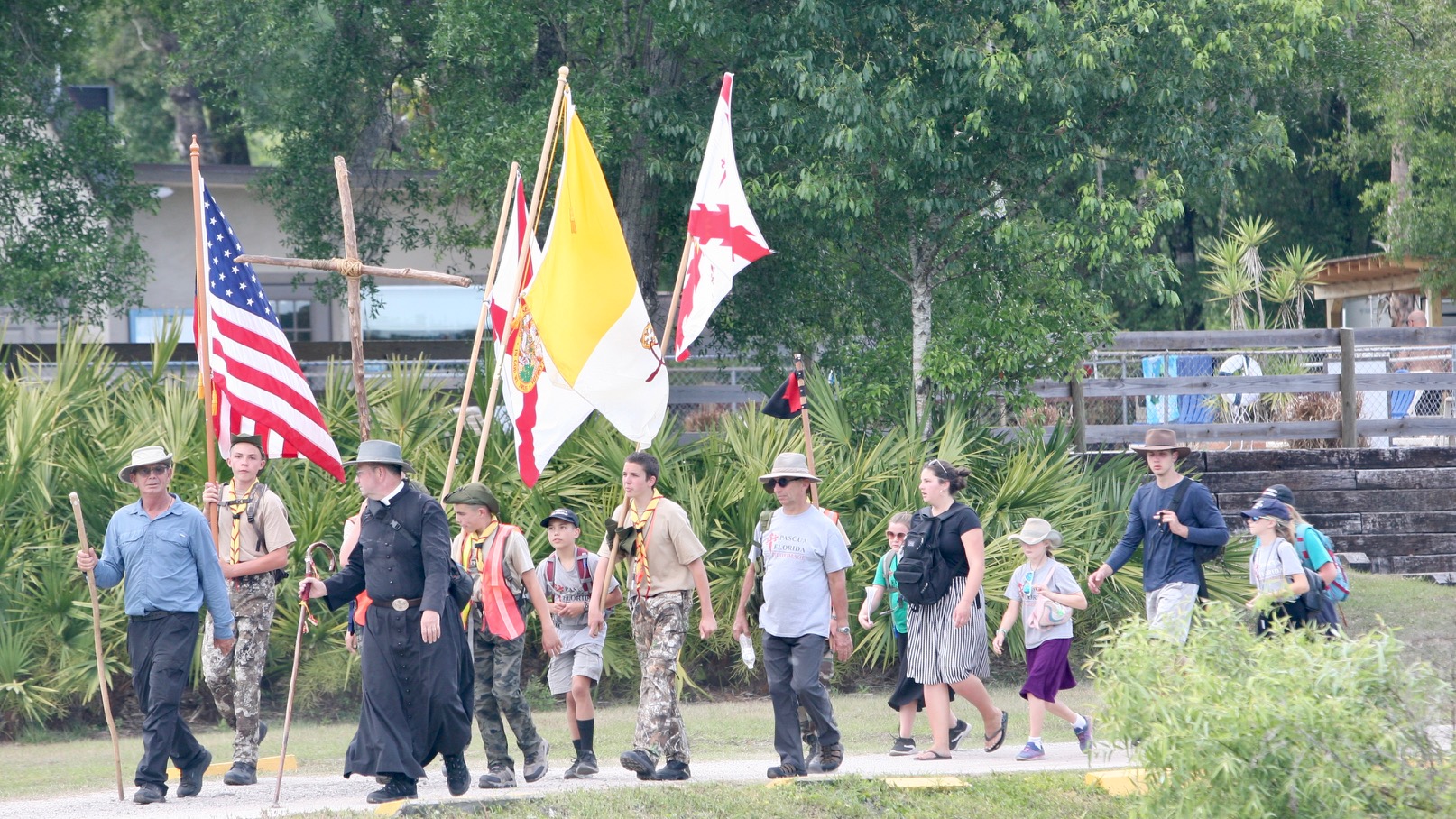
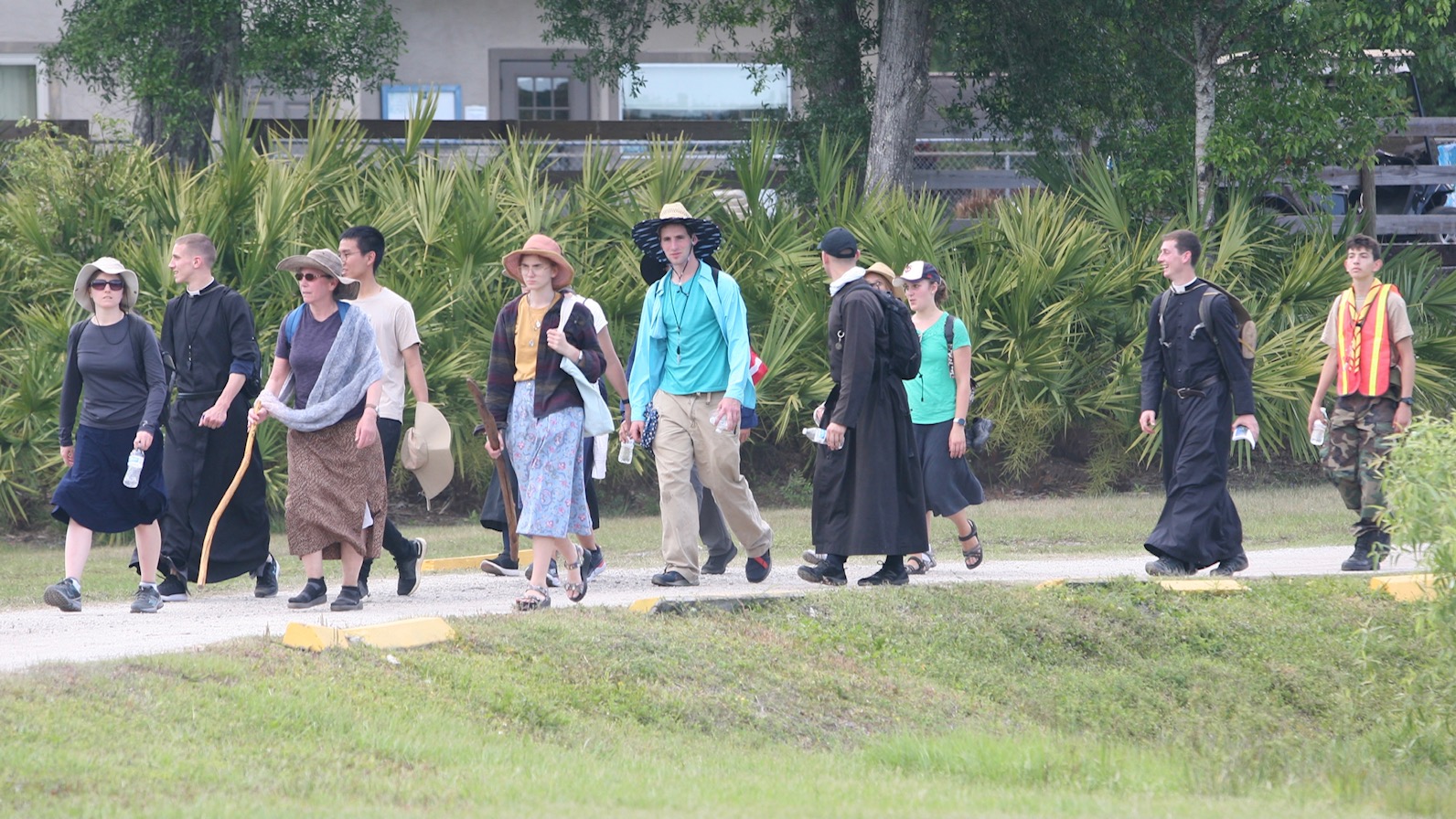
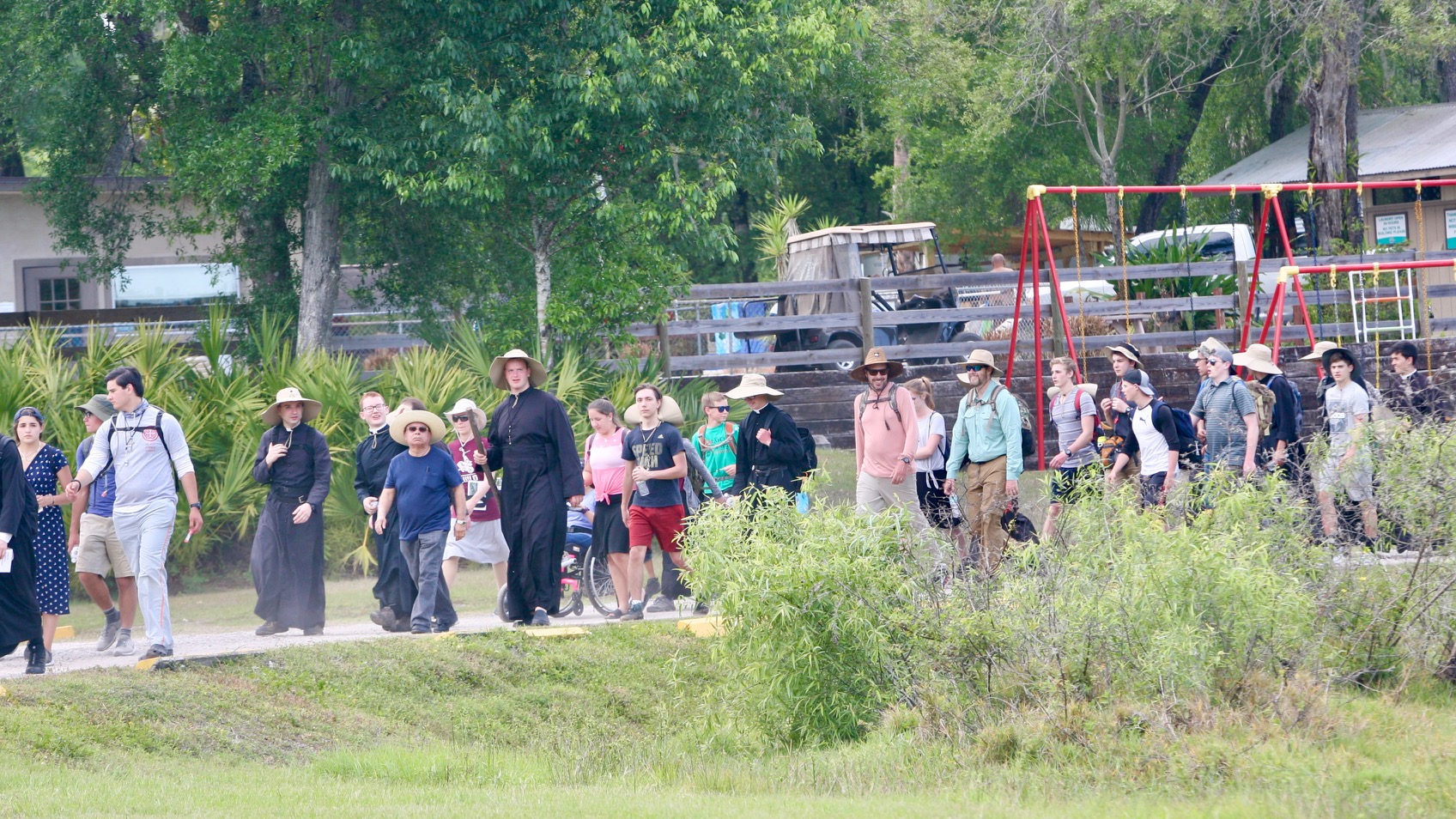
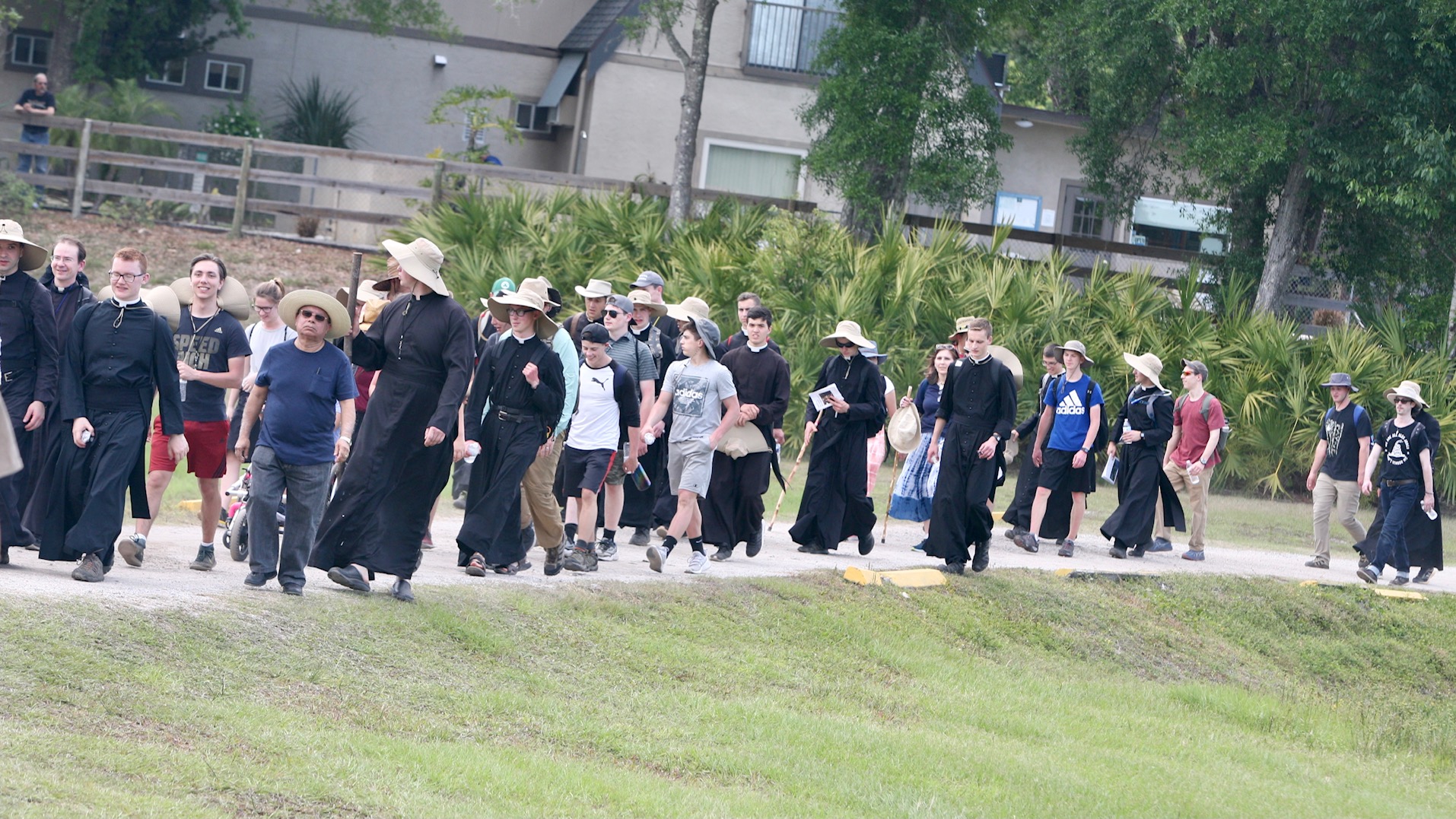
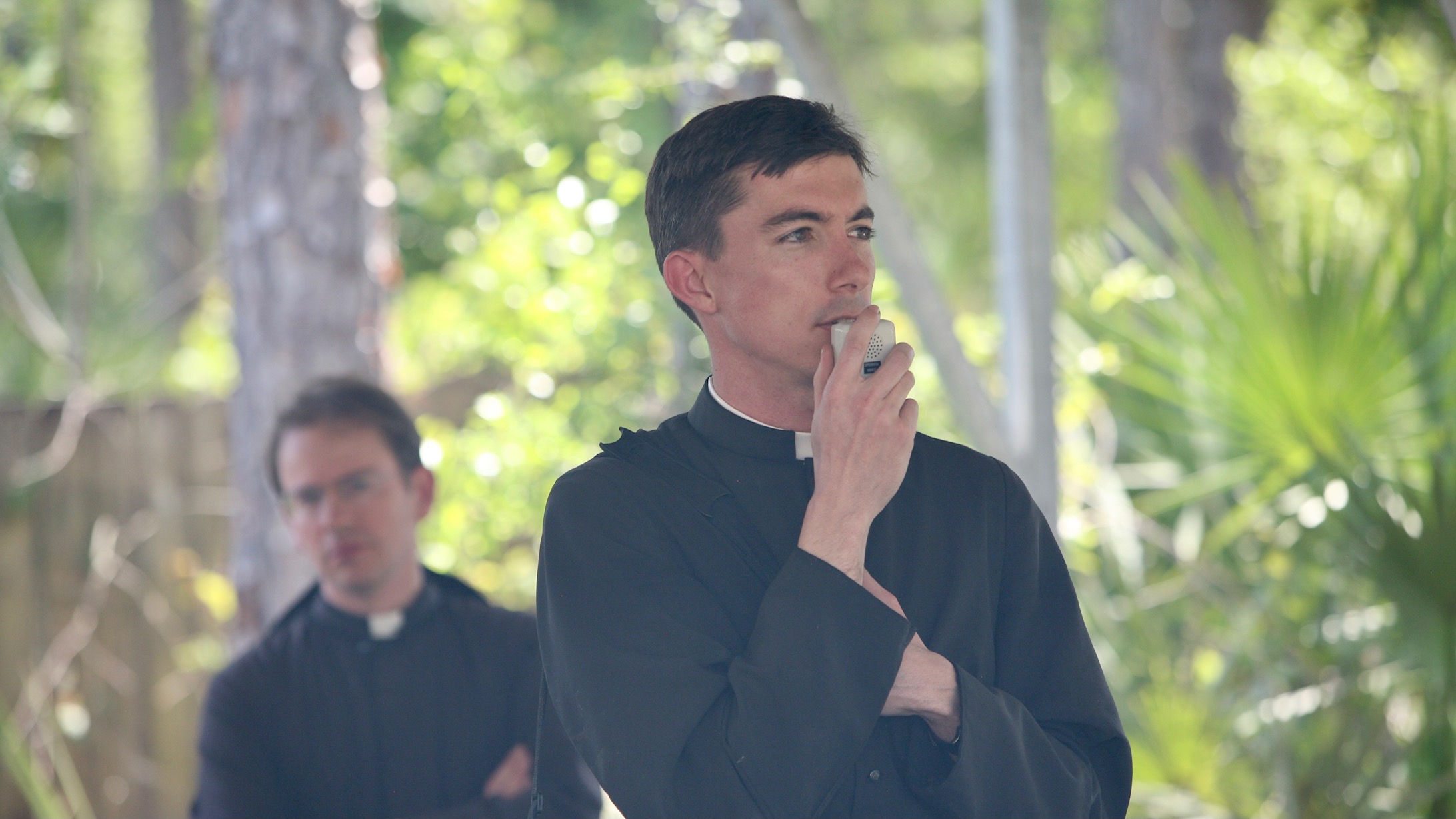
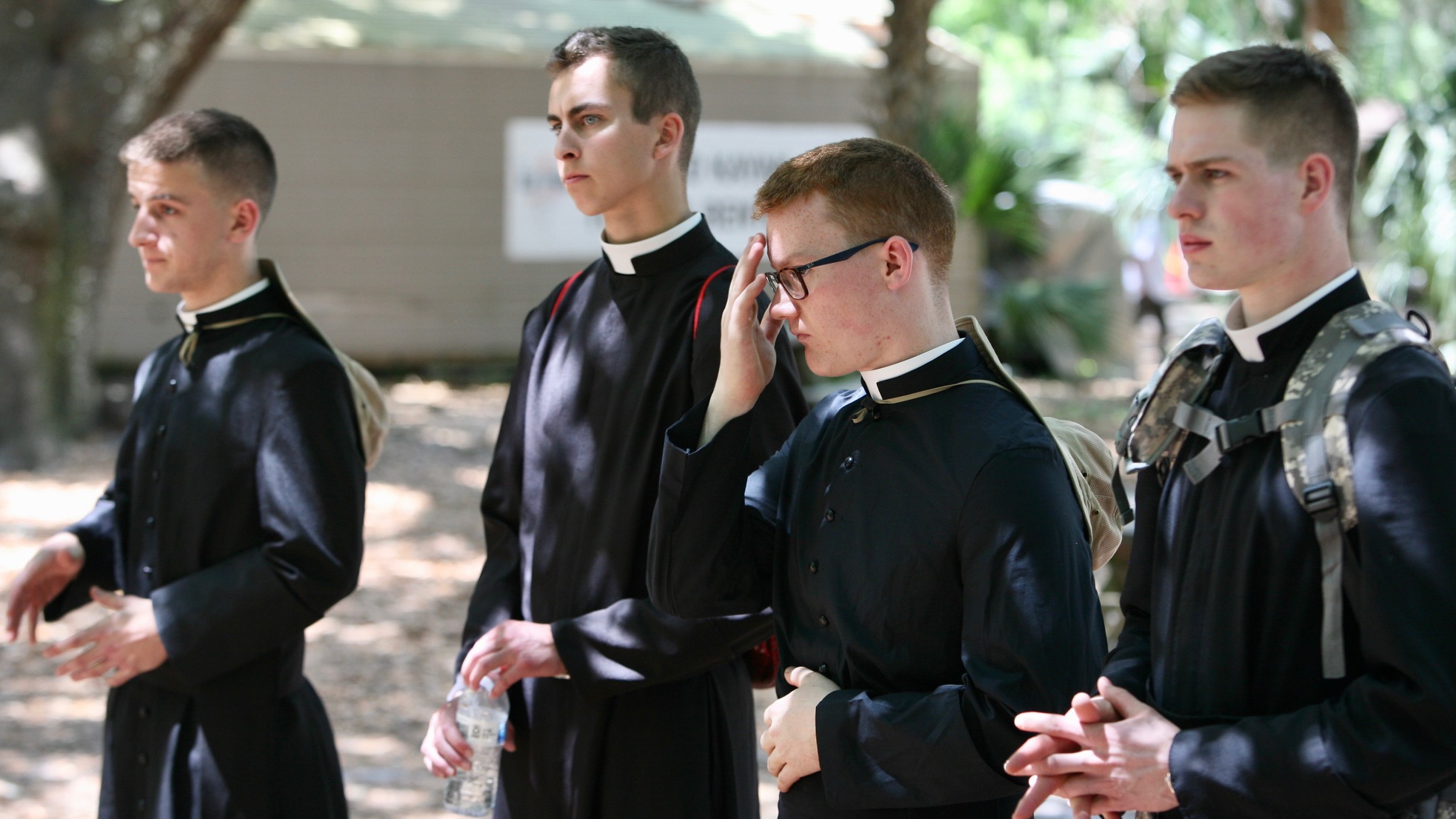
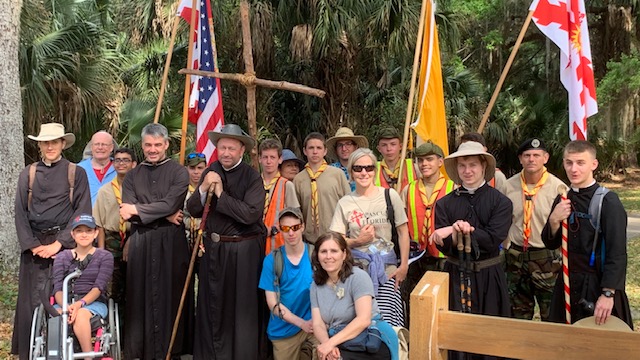
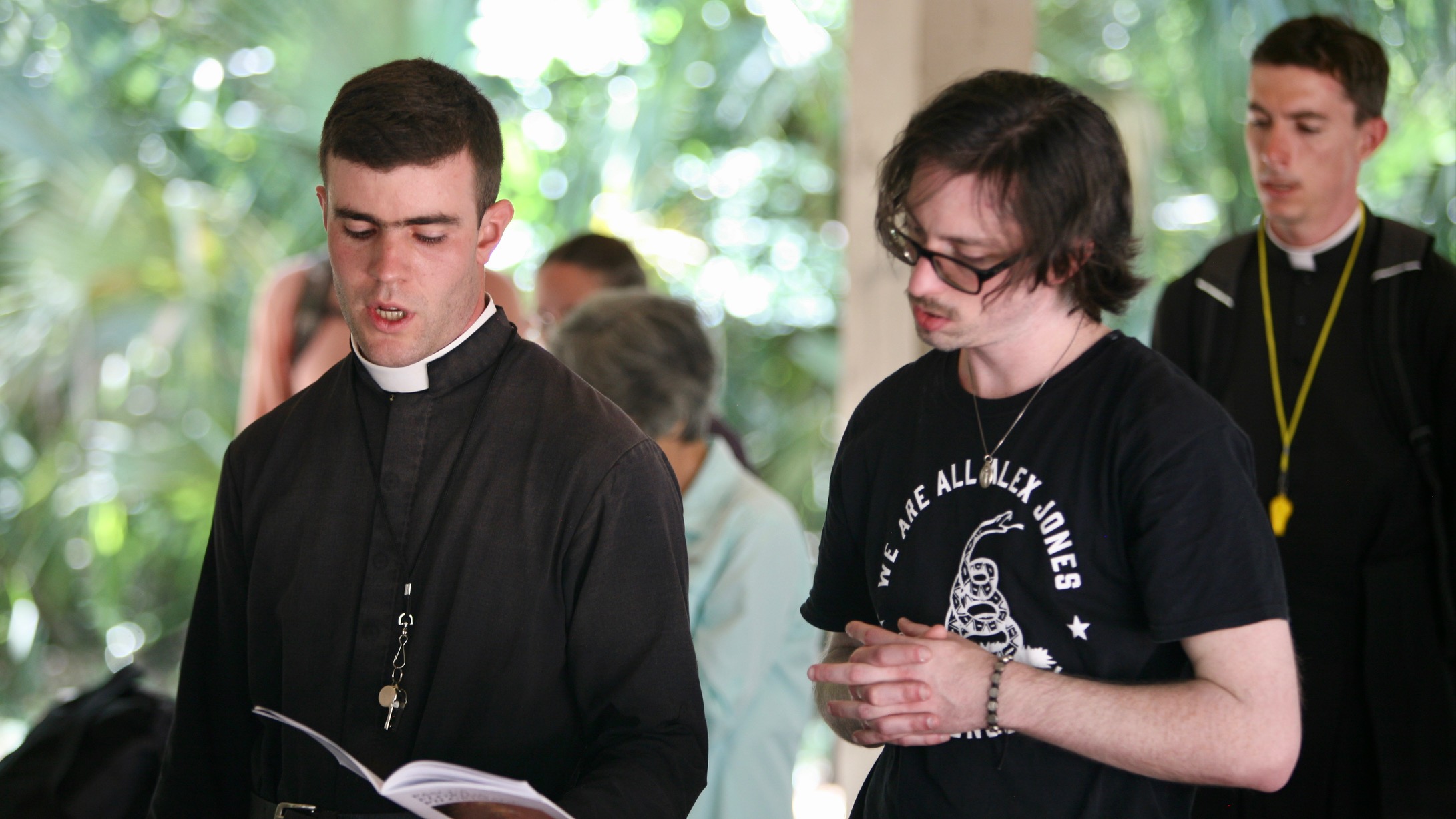
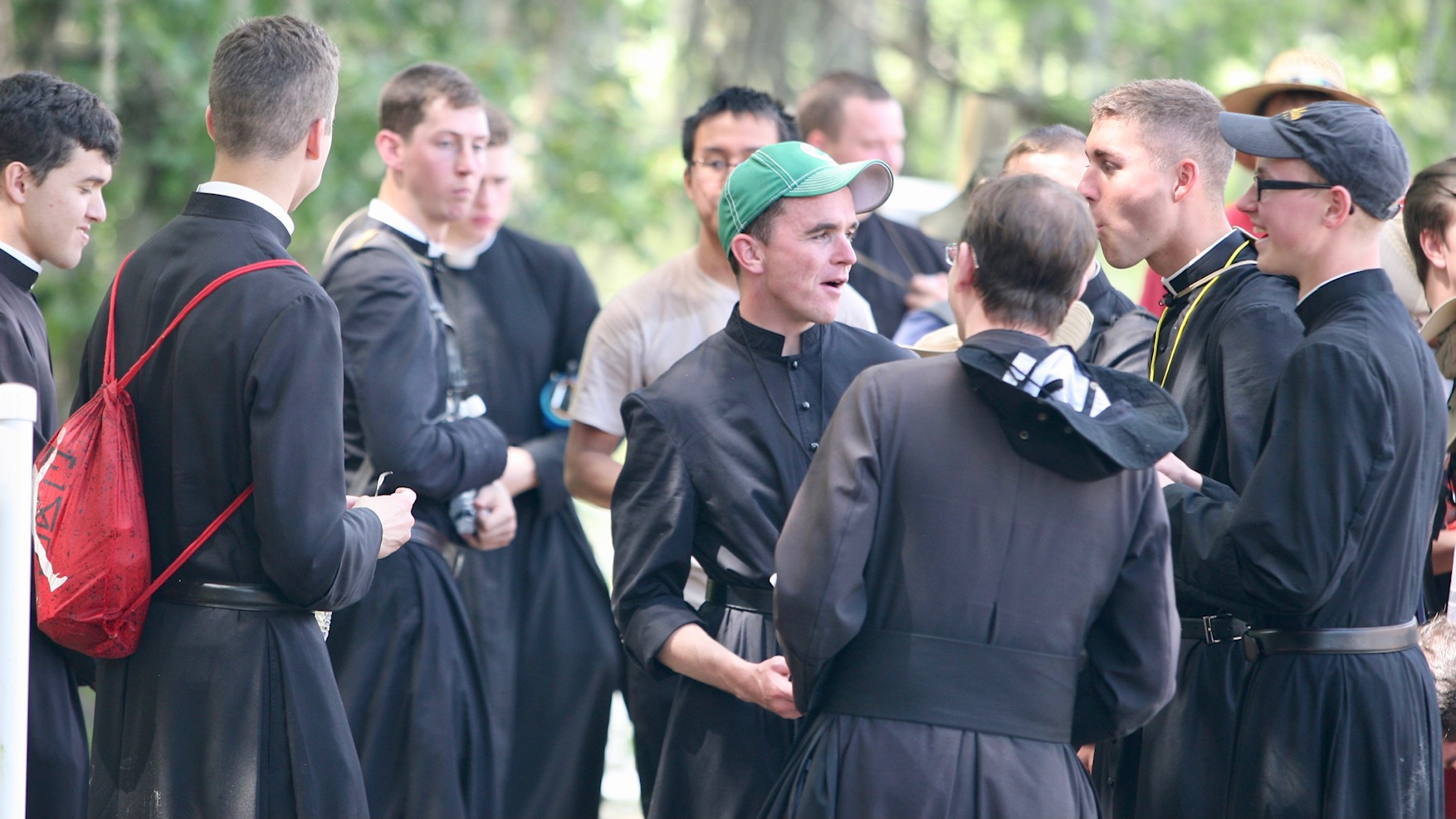
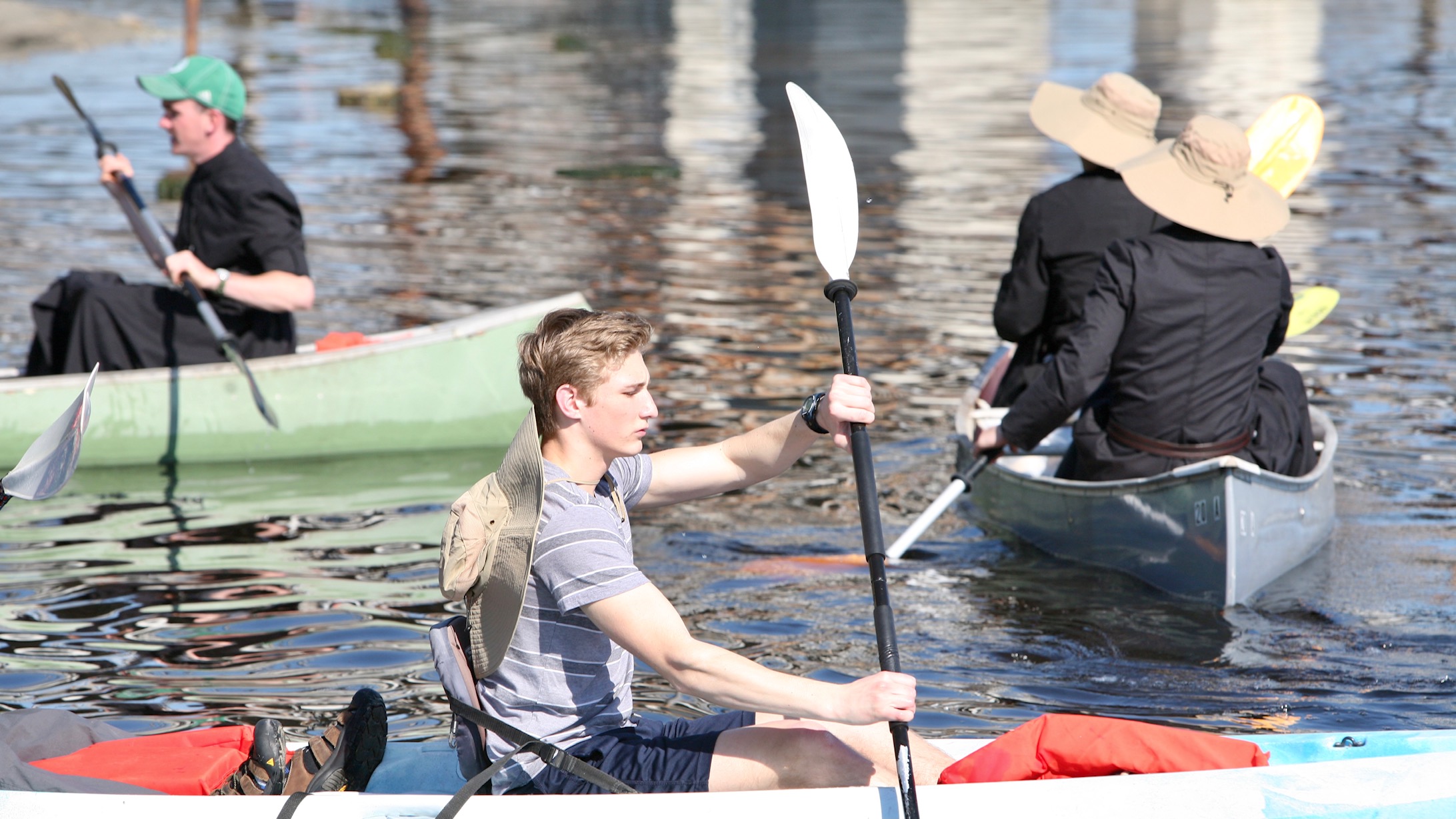
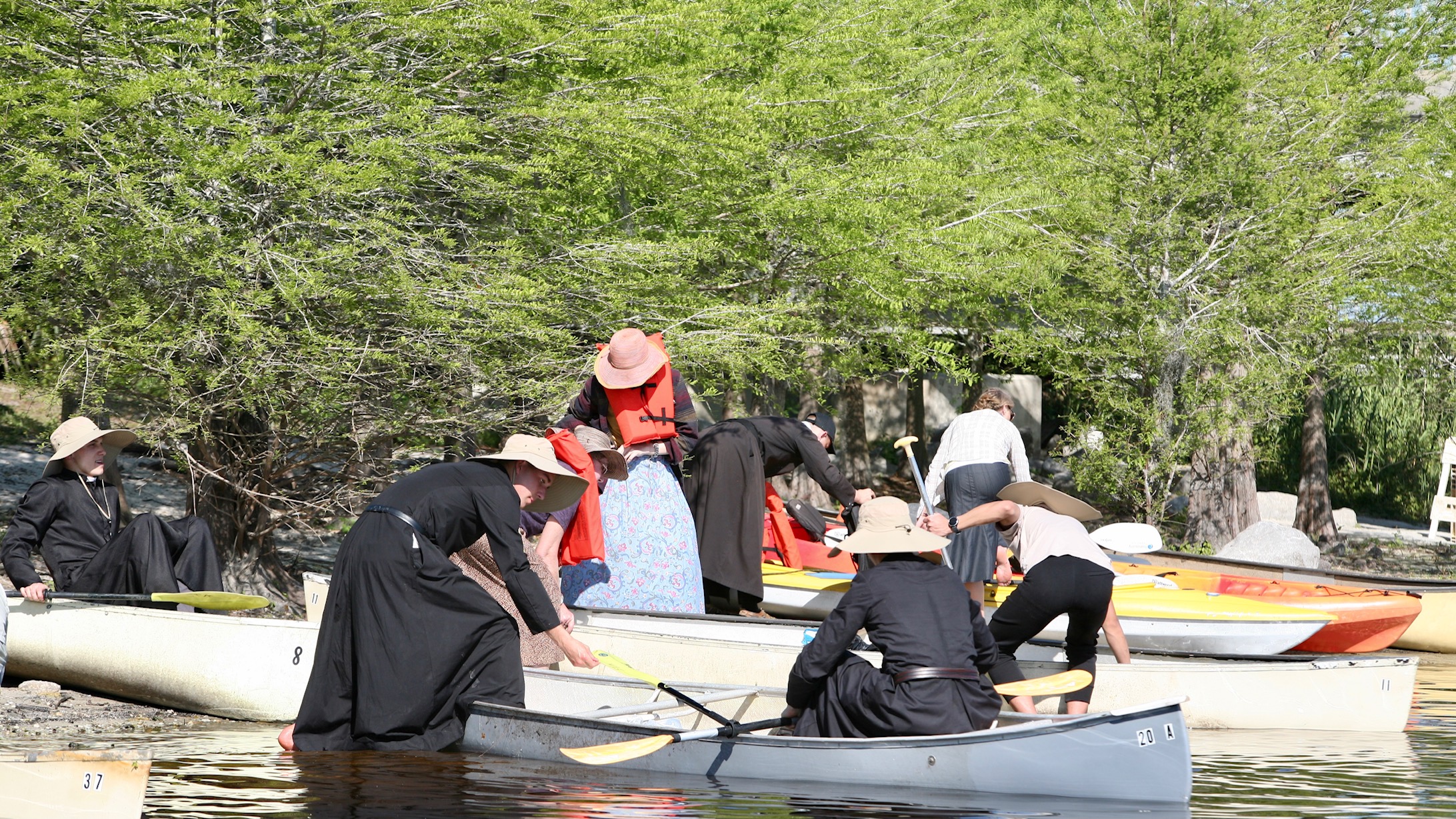
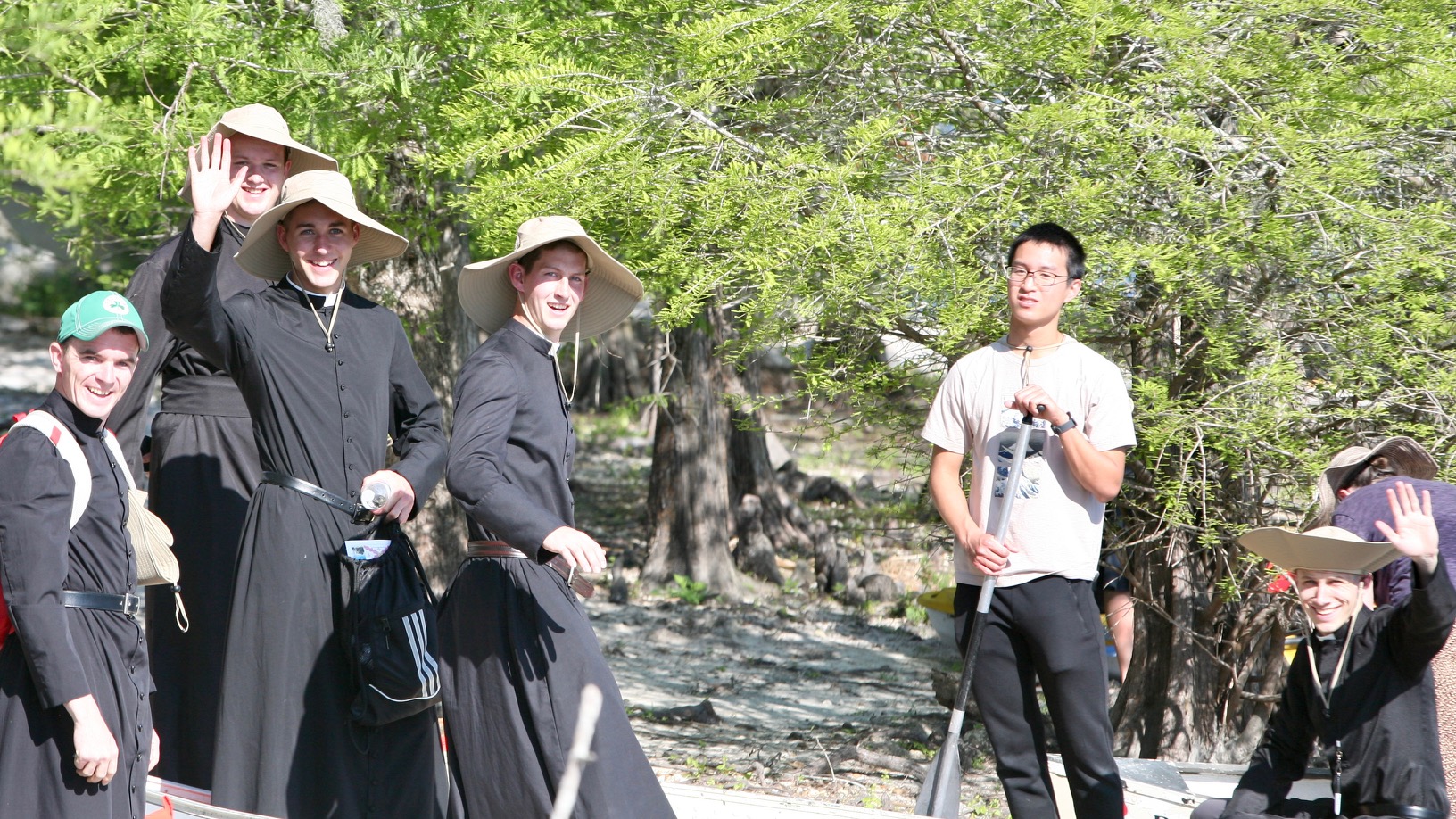
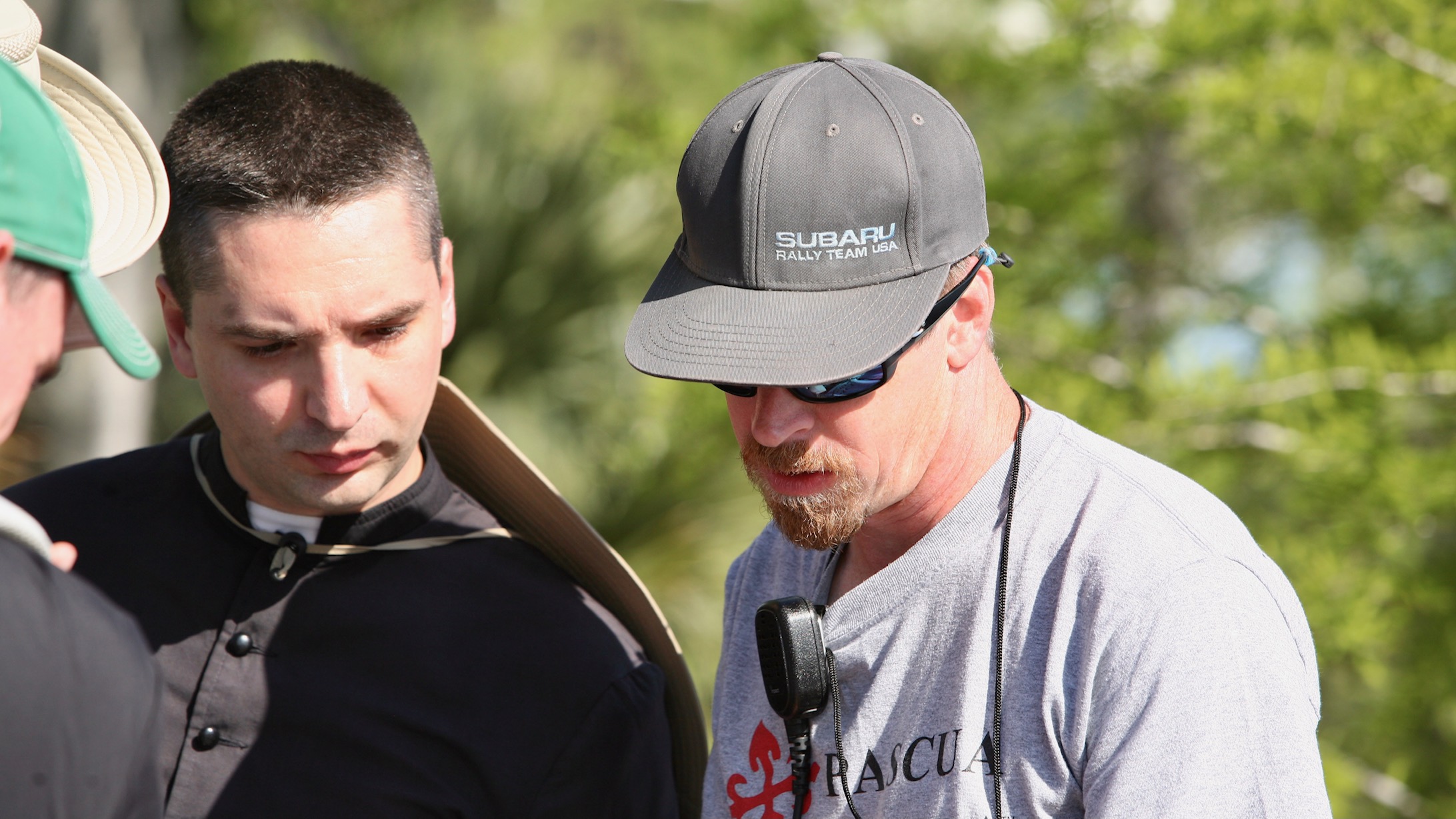
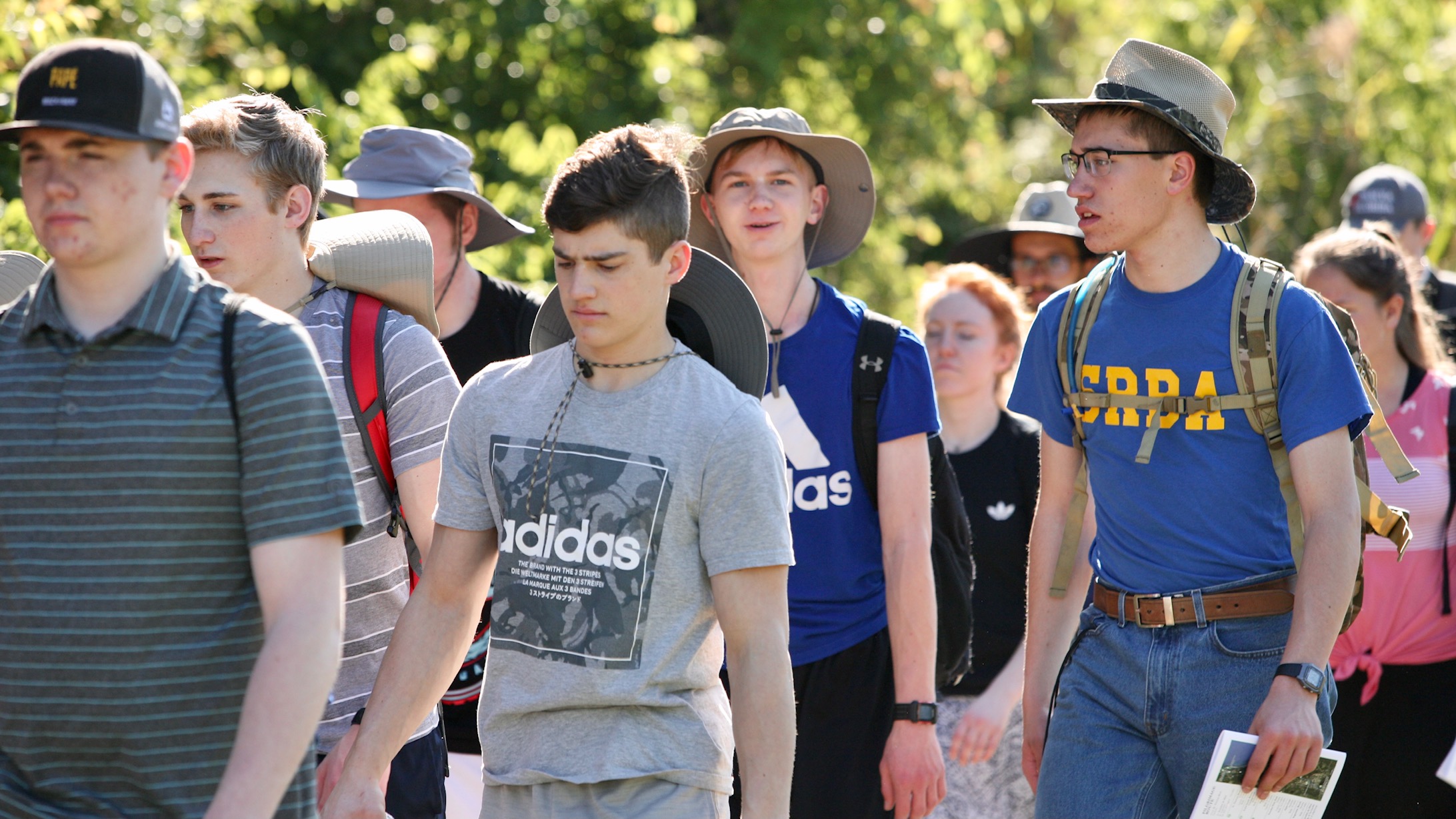
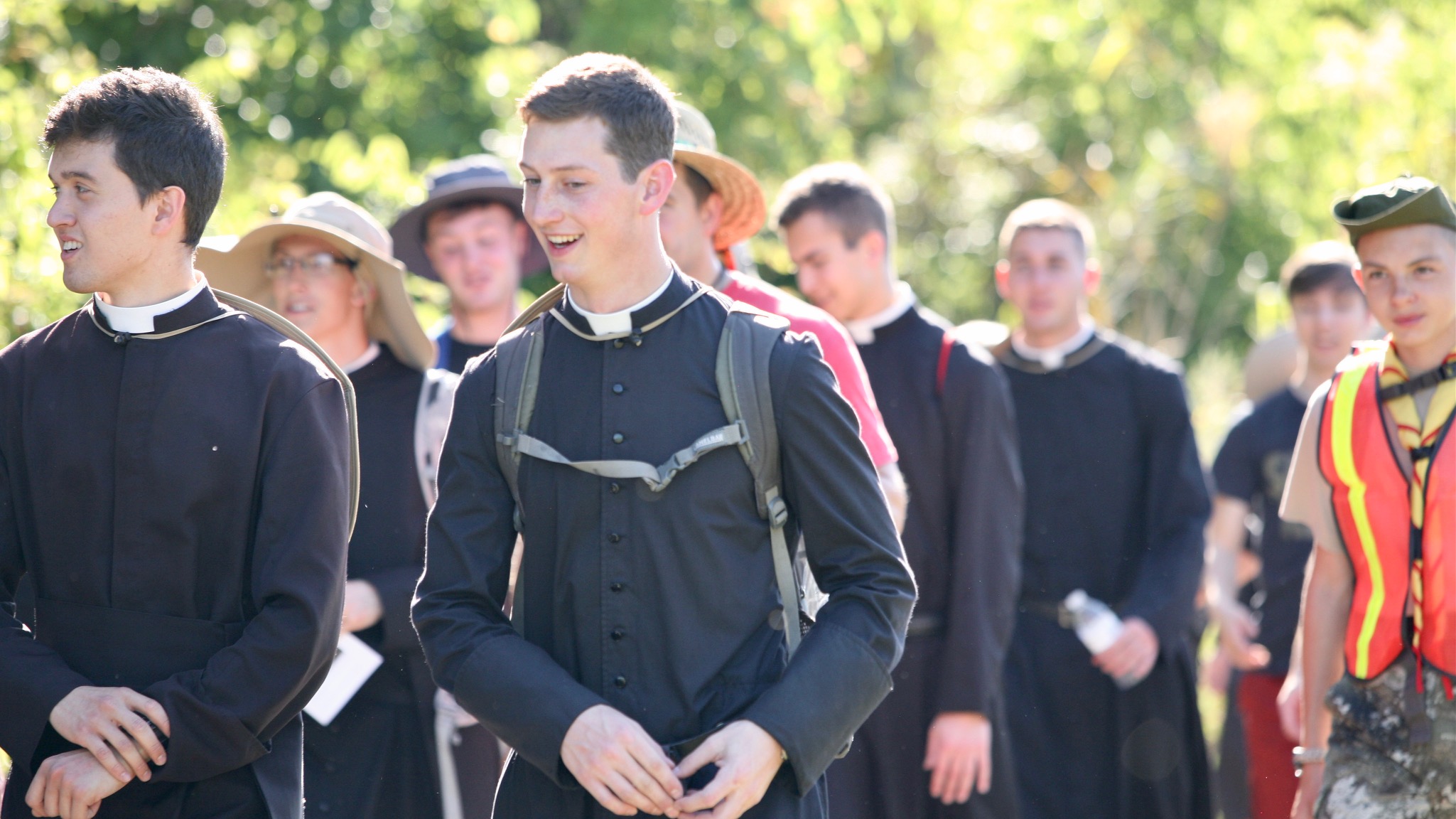
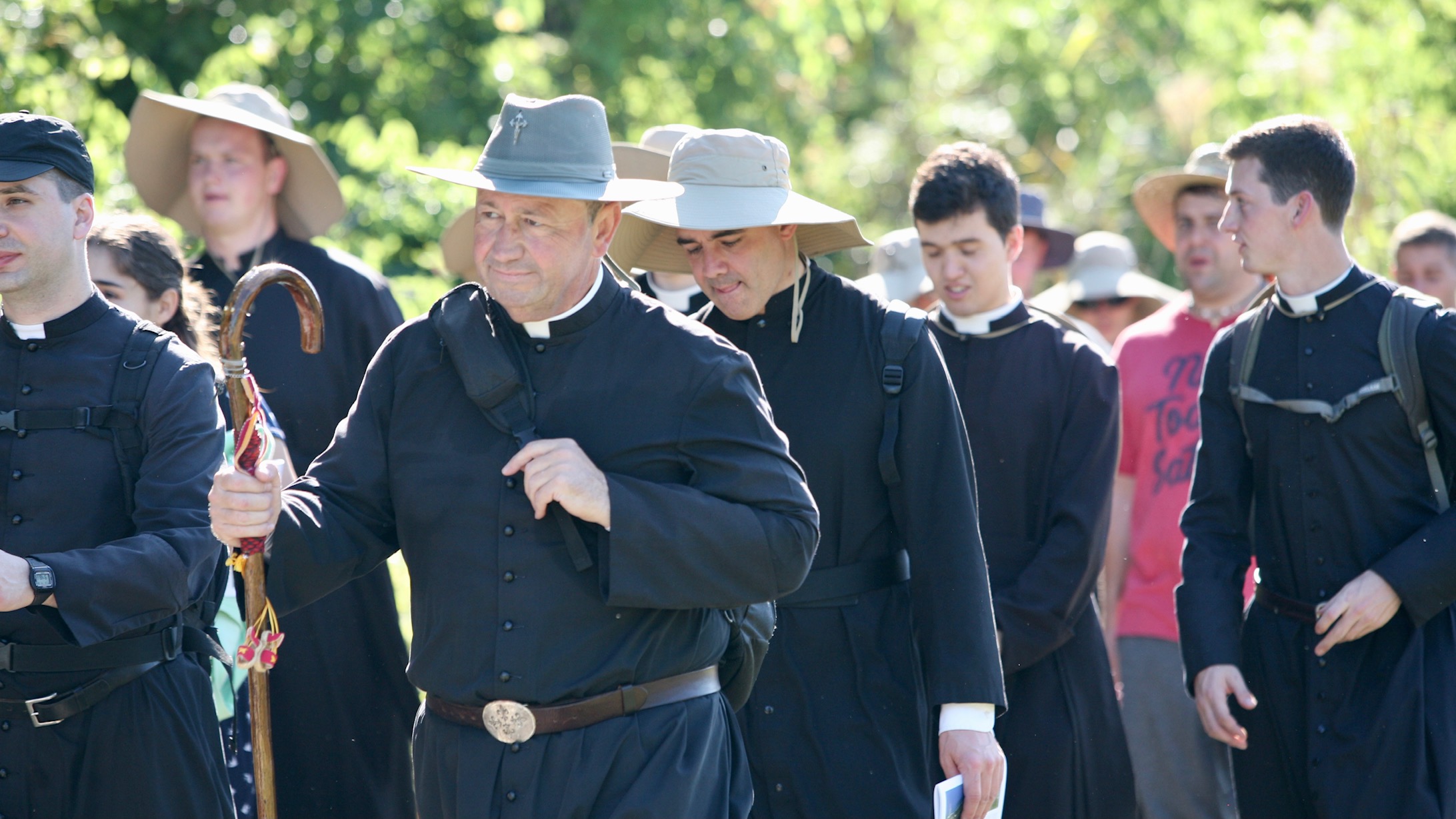
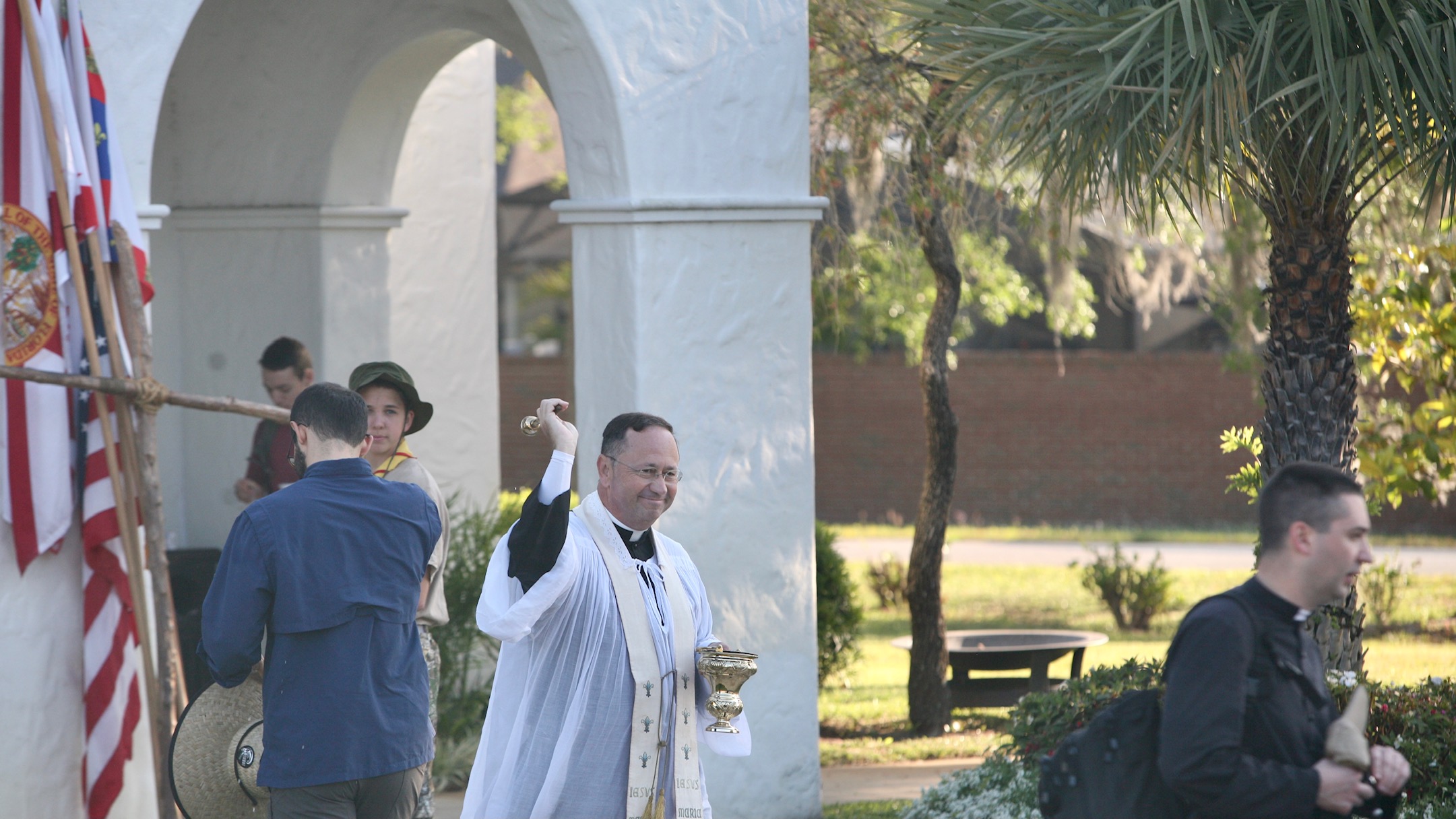
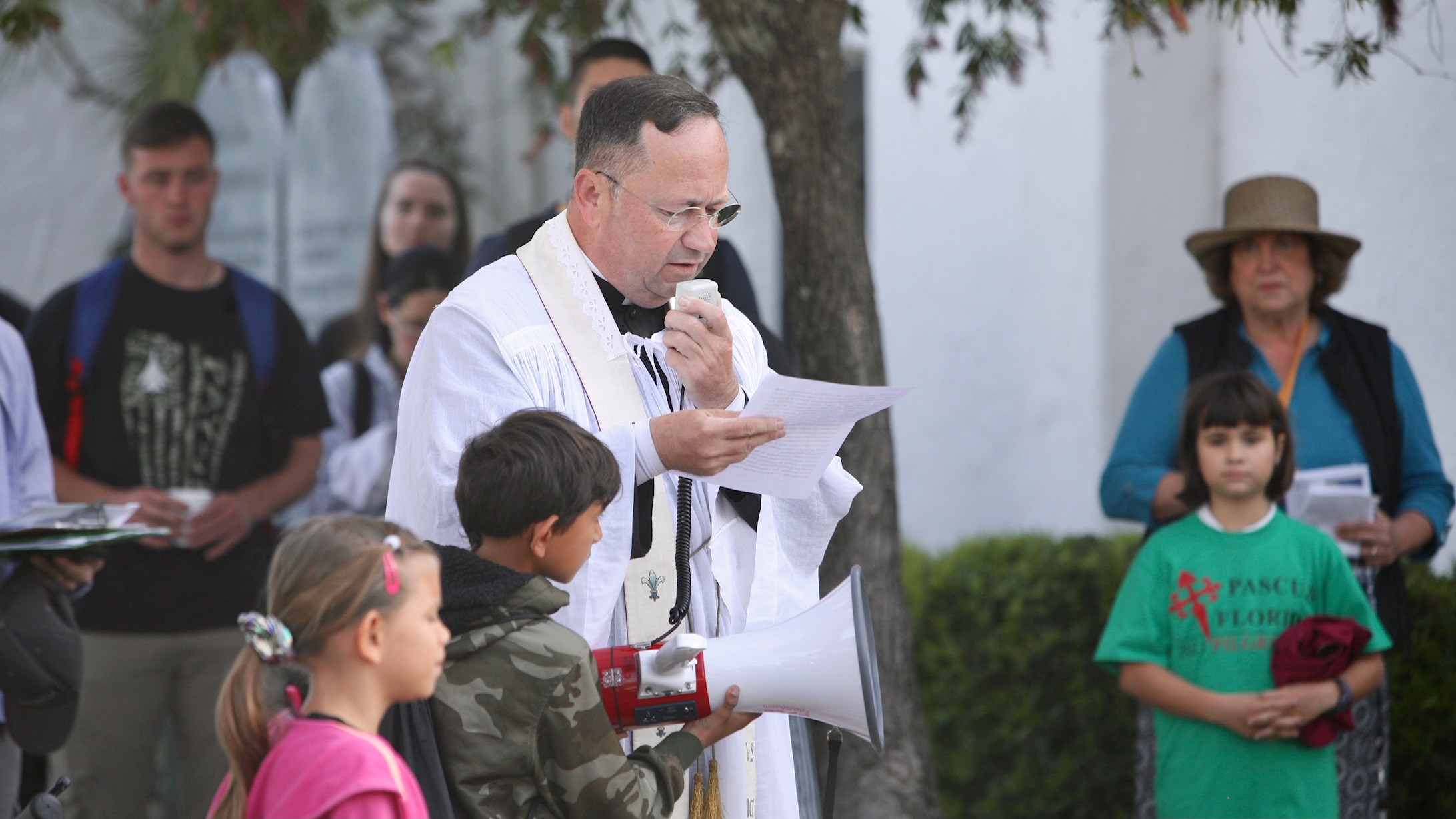
Departure from St. Thomas More: blessing of the Pilgrims.
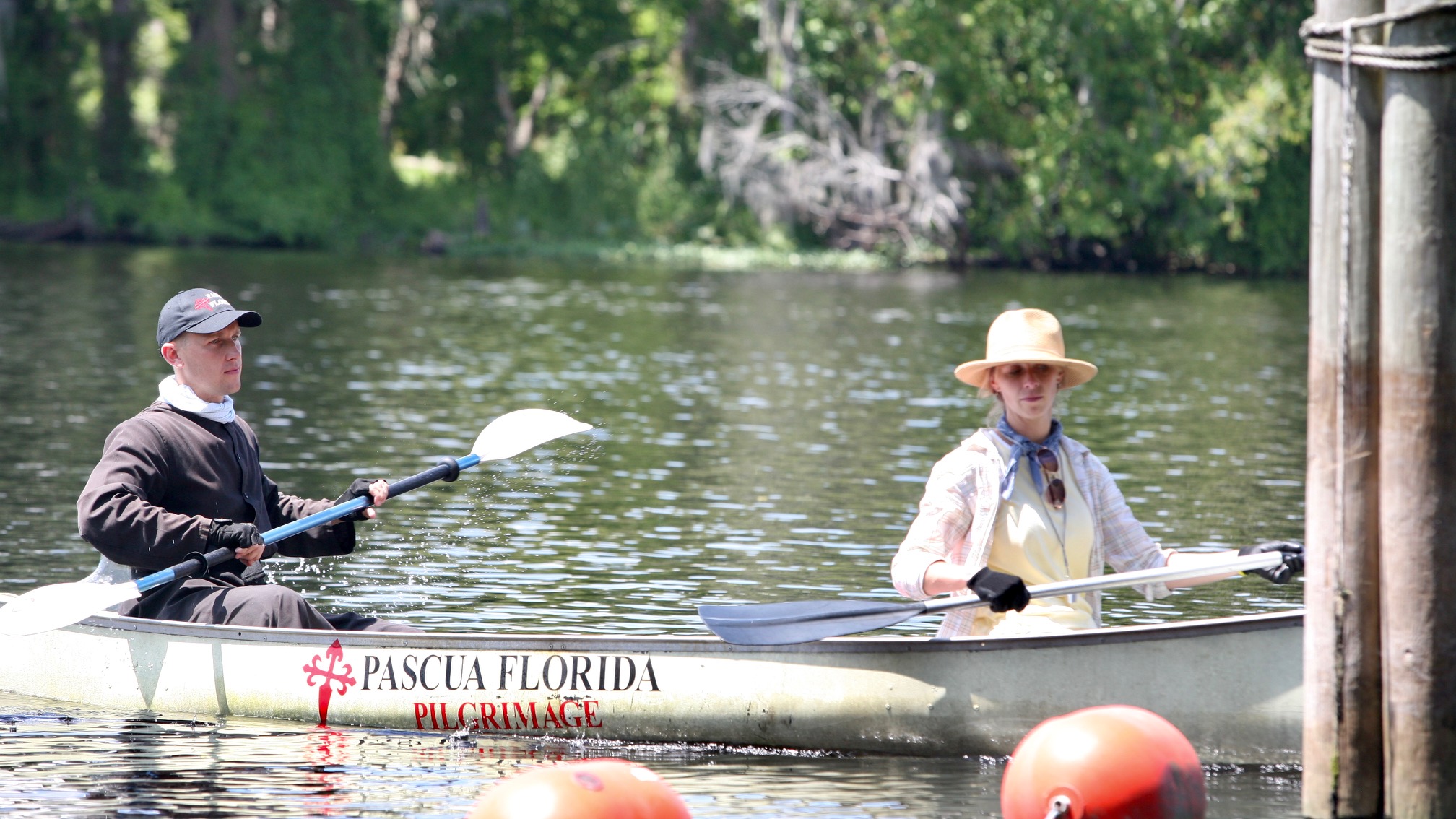
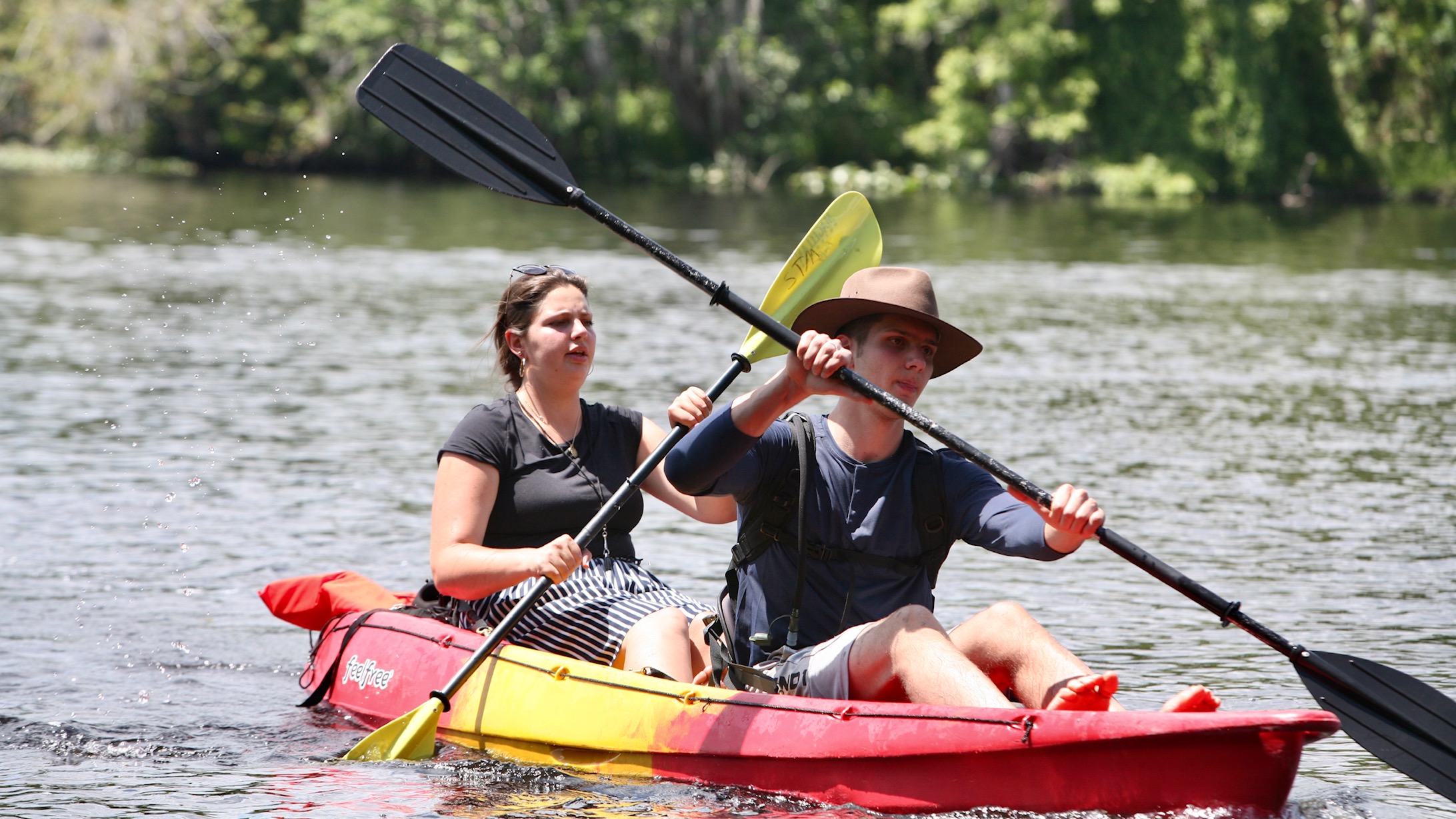
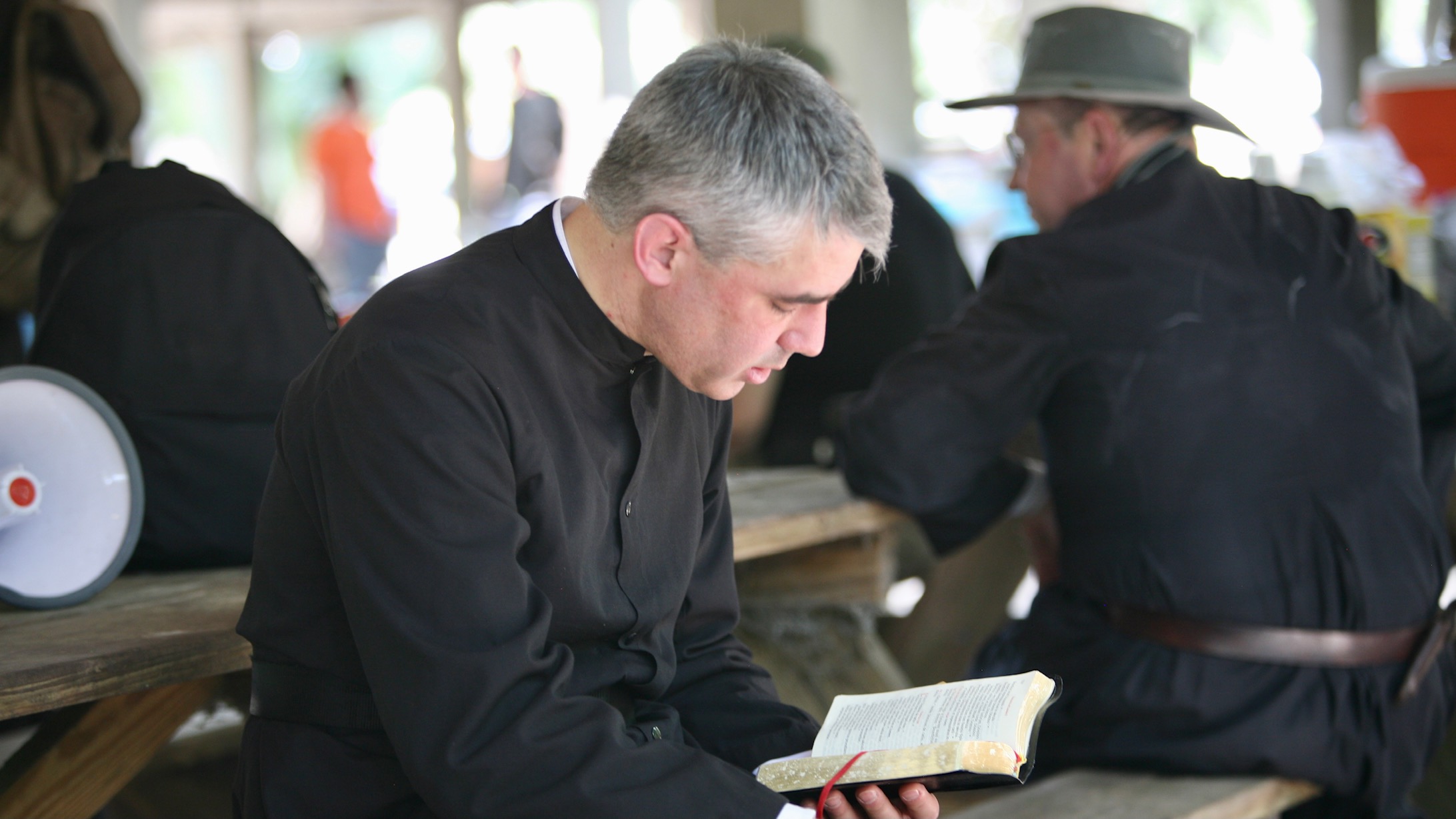
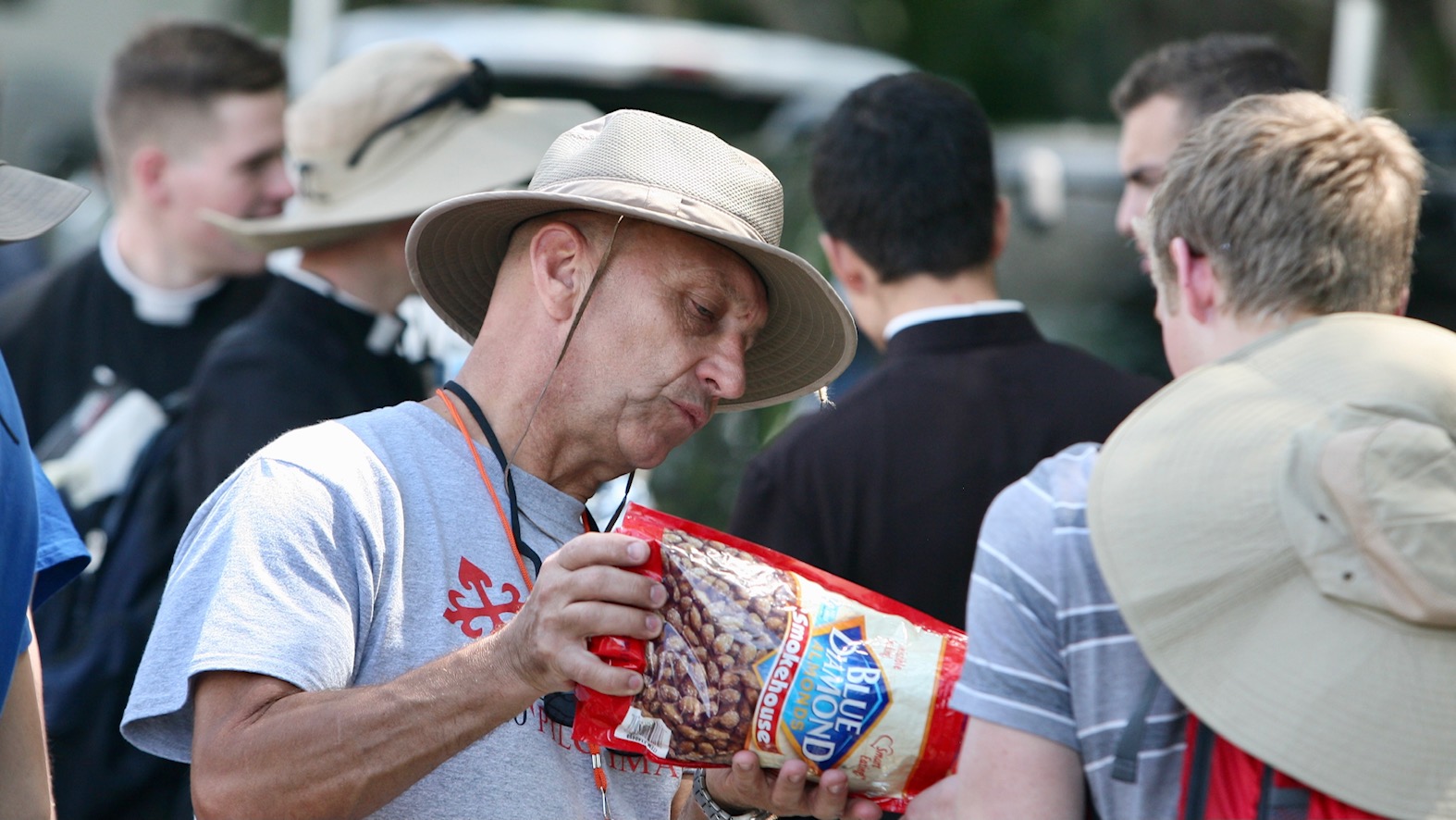
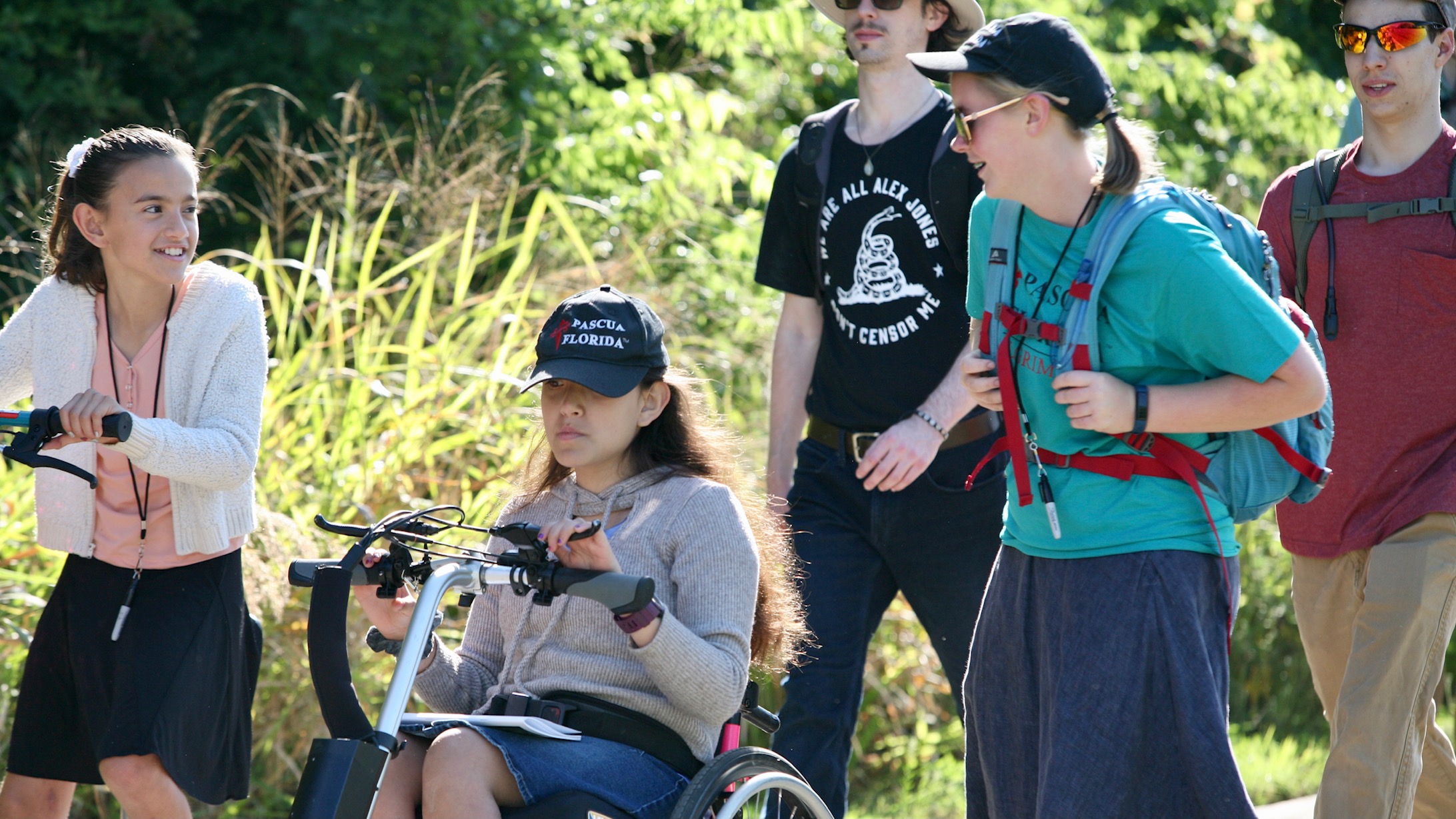
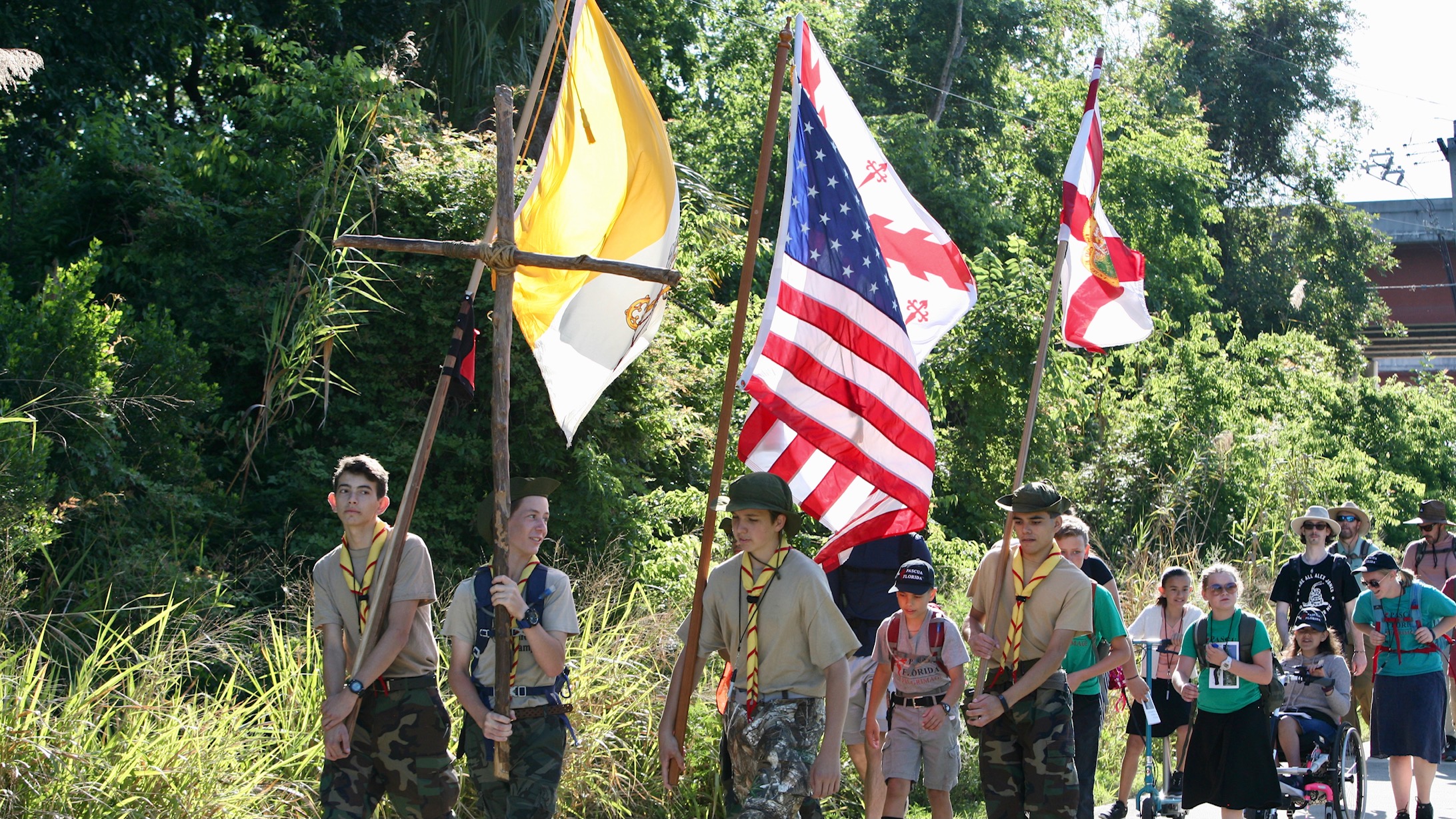
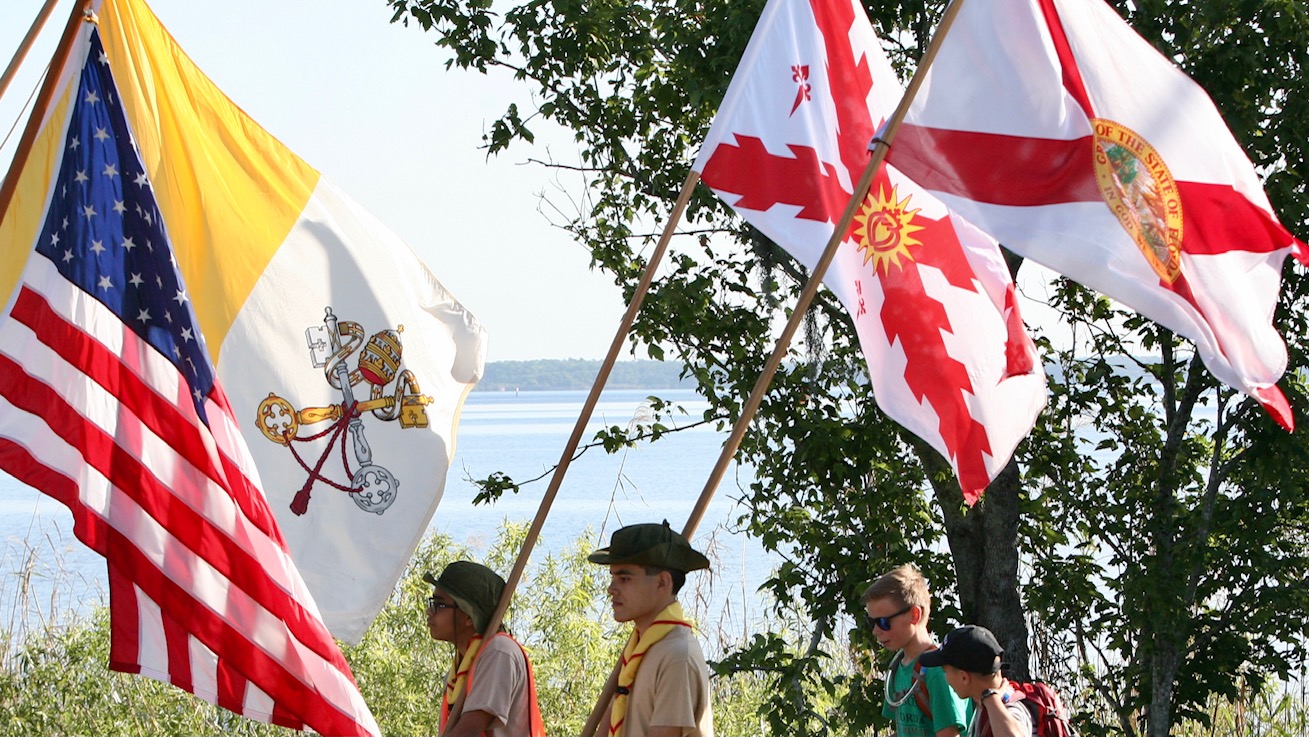
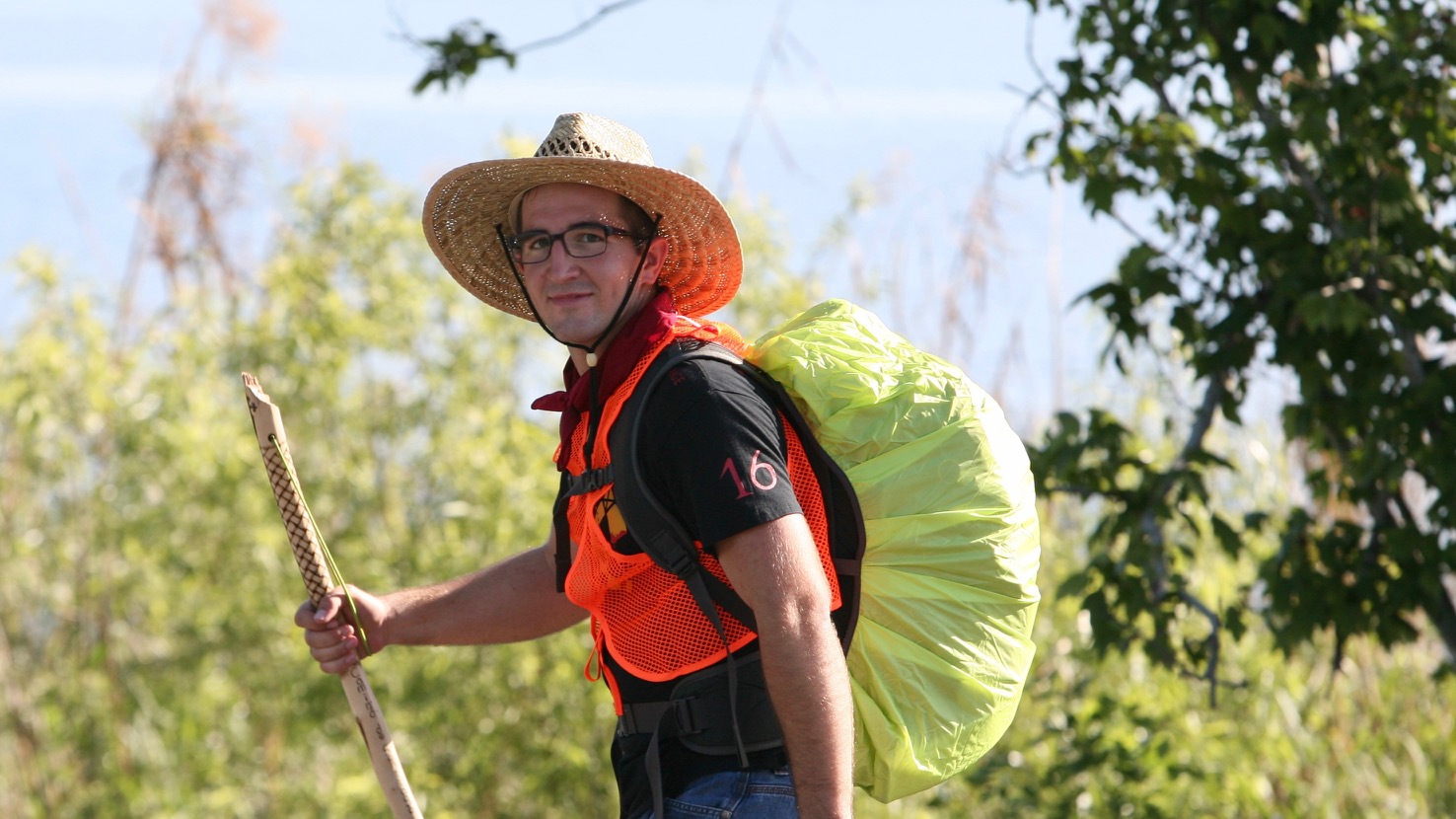
The pilgrimage is the Christian life in miniature: one abandons home, routine, habits, and preoccupations in order to move towards God, either alone or with the help of others.

















History of Pilgrimage
At a time when faith in the true God had faded among the sons of men, God commanded Abram:
Leave your country and go to the land that I will show you.
This is the first element of the pilgrimage: departure.
The Jews, led by Moses, abandoned the land of slavery and passed over the Red Sea en route to Mount Sinai, there to offer sacrifice to God: this is the second element of pilgrimage: the goal.
Three hundred thousand heads of families left Egypt and after a stay in Sinai made their pilgrimage of forty years before entering the Promised Land.
God commanded the Jews to render their sacrifices of adoration, satisfaction, petition, and thanksgiving at the Temple in Jerusalem.
Each family of the Chosen People would therefore go on pilgrimage three times a year for the major religious feasts of the Judaic Law. The Holy Family did this, traveling together while singing psalms and canticles; we know this well from the episode of the finding in the Temple.
During the last pilgrimage of His life, Our Lord came to Jerusalem and offered Himself as the victim of sacrifice on the altar of Calvary.
The first Christians formed the custom of visiting Calvary and the Sepulcher, where Jesus died and rose for our salvation. After these pilgrimages became impossible because of the Islamic persecutions, places like Rome, Santiago, and le Puy became popular destinations of pilgrimage.
Throughout the centuries pilgrimages multiplied all over Christendom, pilgrimages to all the places where God had manifested His presence by miracles or apparitions.
What is a Pilgrimage?
The pilgrimage is a journey from home to a sacred place in order to find God. The physical movement accompanies a similar spiritual conversion: detachment from self in order to reach God.
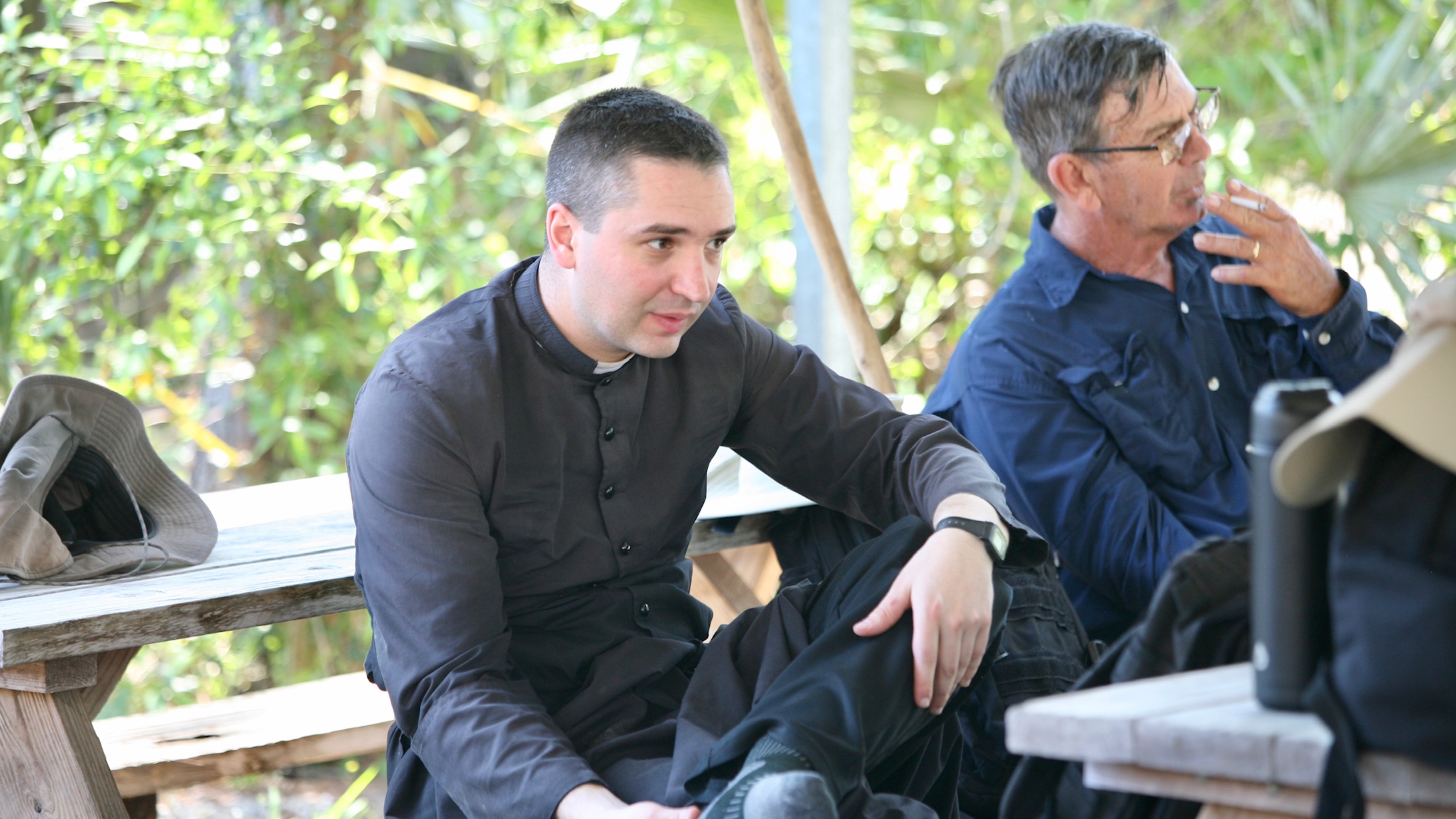
The pilgrimage is the Christian life in miniature: one abandons home, routine, habits, and preoccupations in order to move towards God, either alone or with the help of others. In this movement, each step, even each stop is an approach towards the goal: the attainment of God by the gift of self in sacrifice.
The Church has always encouraged pilgrimages as tremendous opportunities for conversion. She has done so by multiplying shrines in all parts of the world and attaching many indulgences to pilgrimages made thereto.
Why the Pascua Florida Pilgrimage?
In the year of Our Lord 1513, Ponce de Leon discovered Florida and planted the Cross in its sands. Soon after the Spanish founded the oldest city of the United States: Saint Augustine.
On September 8, 1565, the first Mass ever celebrated on what is now U.S. soil was officiated by Fr. Francisco Lopez - on the feast of the Nativity of Our Lady. With Our Lord Jesus Christ, the missionaries brought His Mother, the Blessed Virgin Mary, and erected her first shrine in these lands, Our Lady of La Leche. Mothers from everywhere come to her in order to receive the gift of life and safe delivery, oftentimes bringing their newborn to her in thanksgiving at a later time.
Between 1549 and 1706 eighty-six Native Americans, priests and religious, men, women, and children were martyred for the Faith in this part of the country. In this lies one of the greatest reasons for the sacredness of the goal of this pilgrimage.
The pilgrimage ends with the Holy Sacrifice of the Mass, offered at the very place where it was first celebrated in our country. Could there be a more fitting ending to the pilgrimage than this?