One Hundred Pilgrims, One Hundred Miles & Six Days

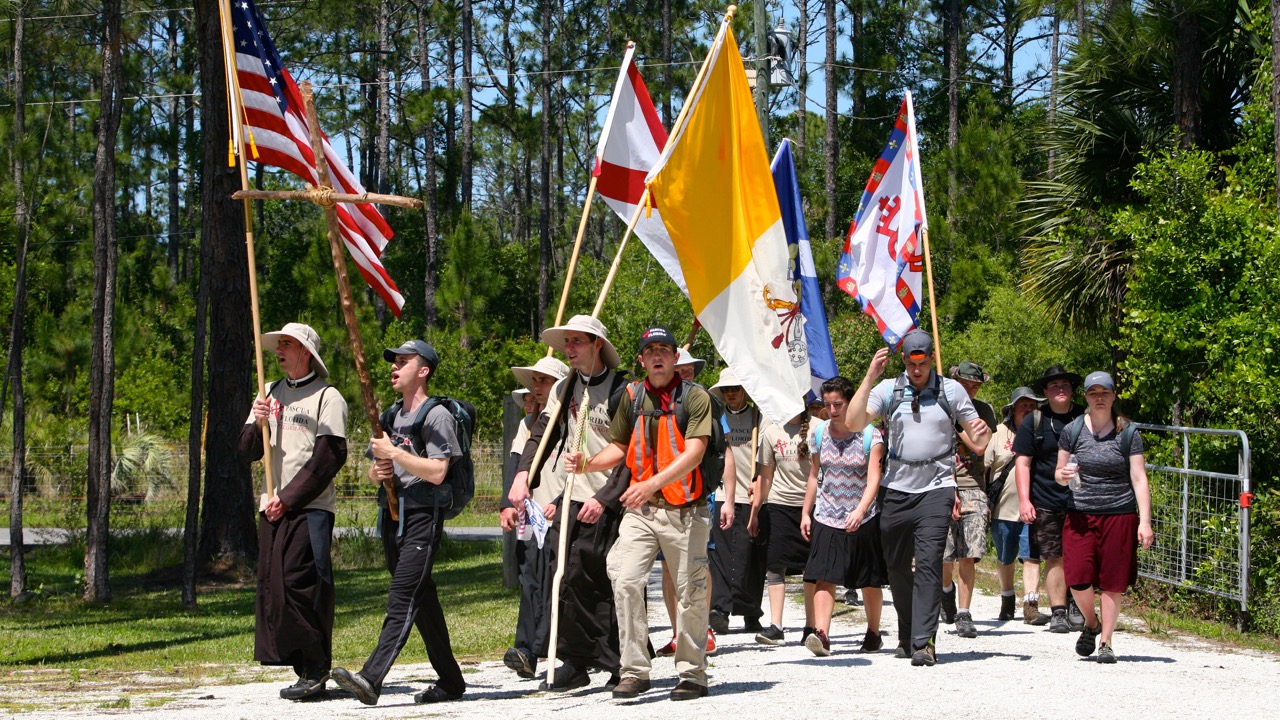
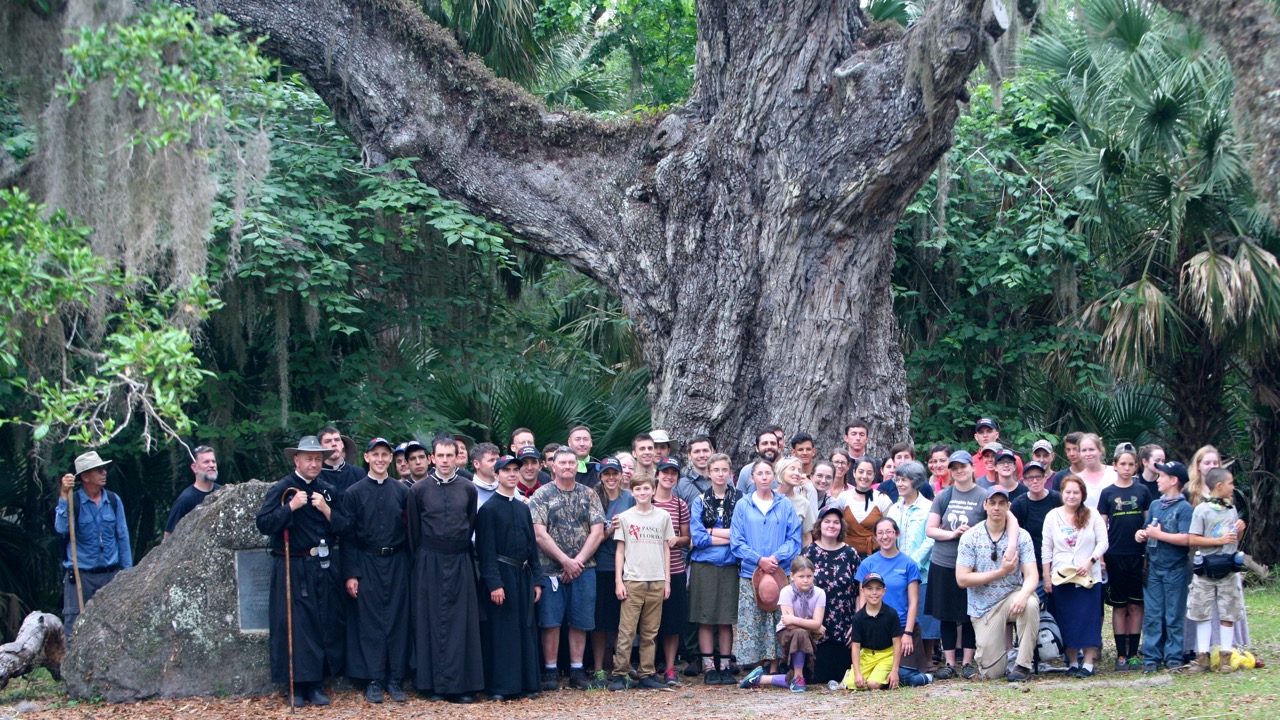
On their way to St. Augustine, pilgrims walks through the wonderful Floridian bushes.
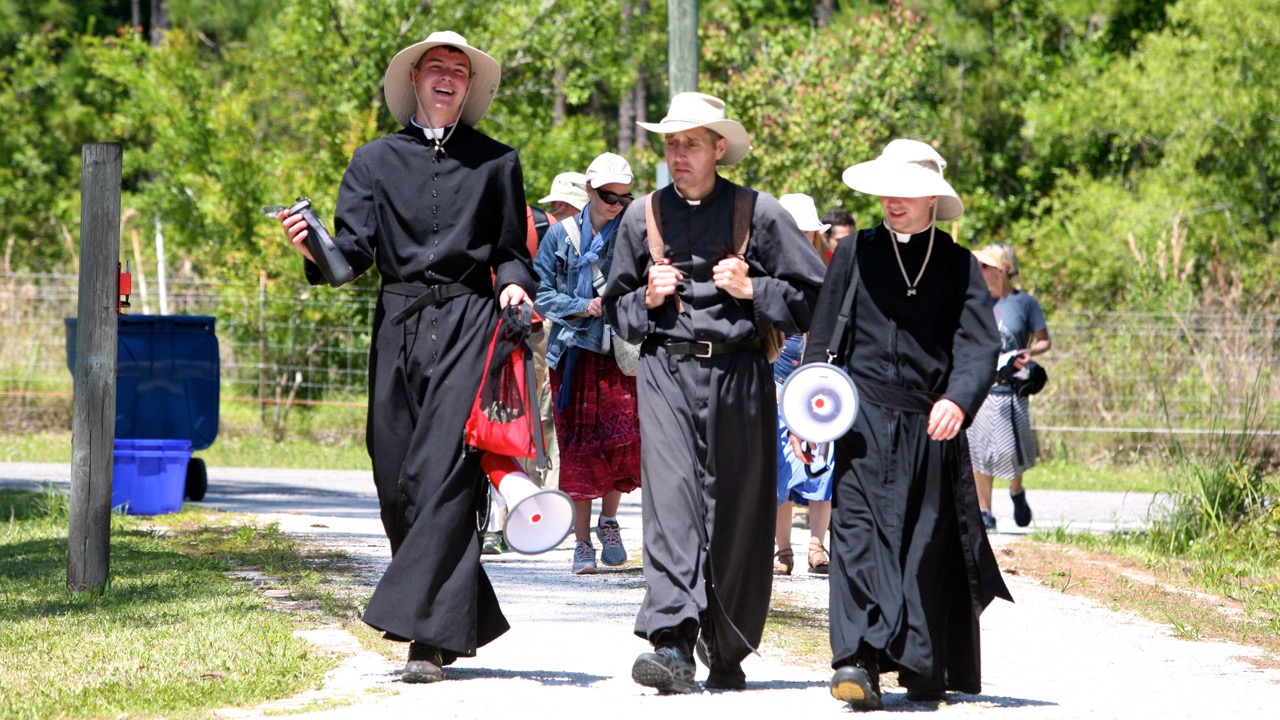
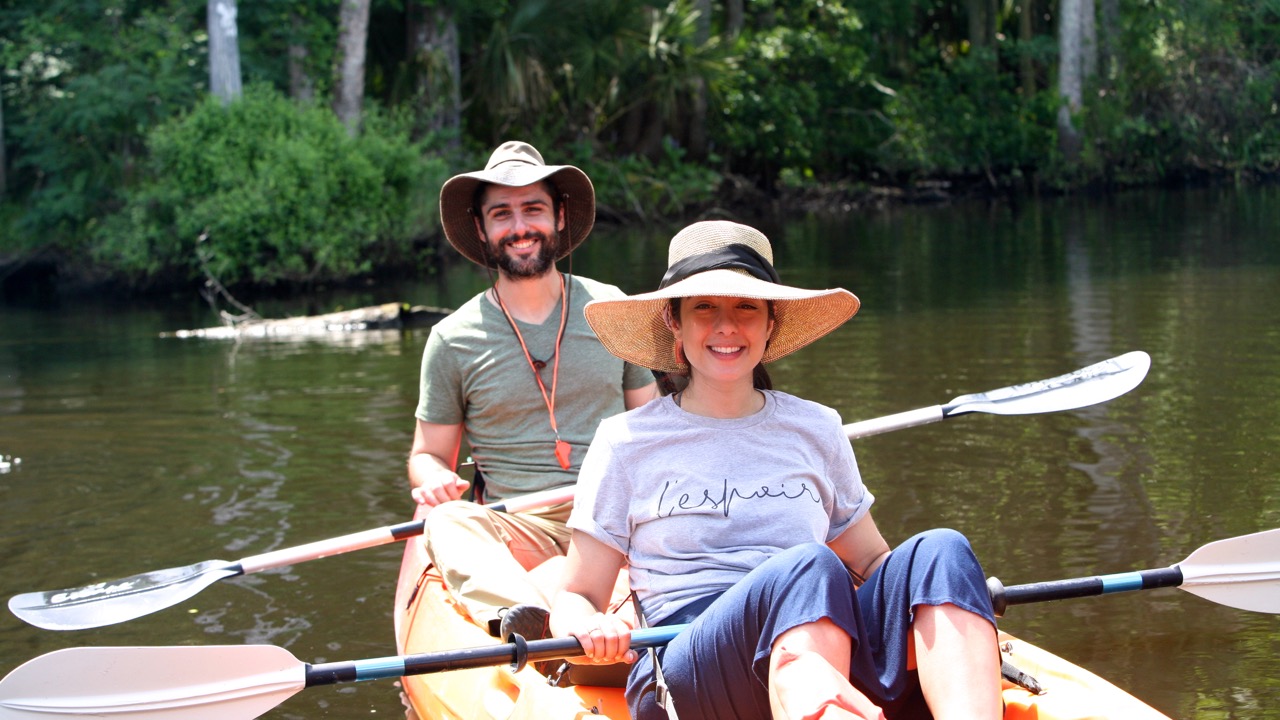
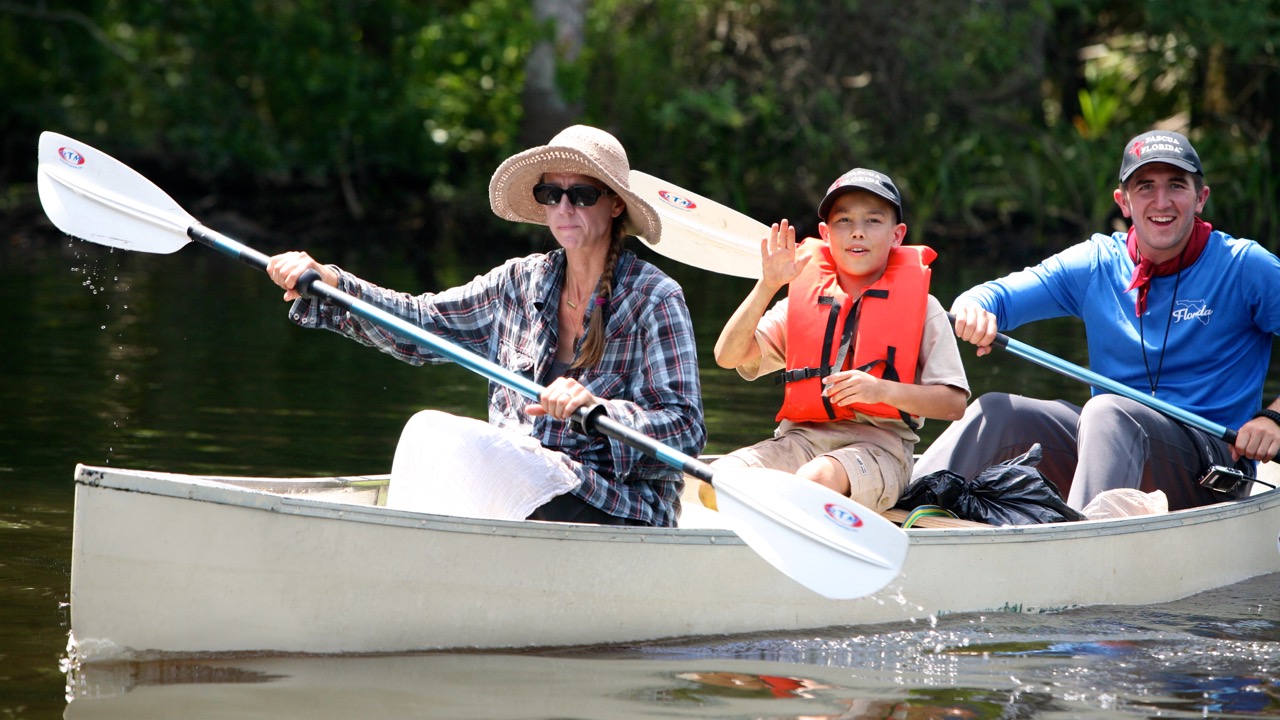
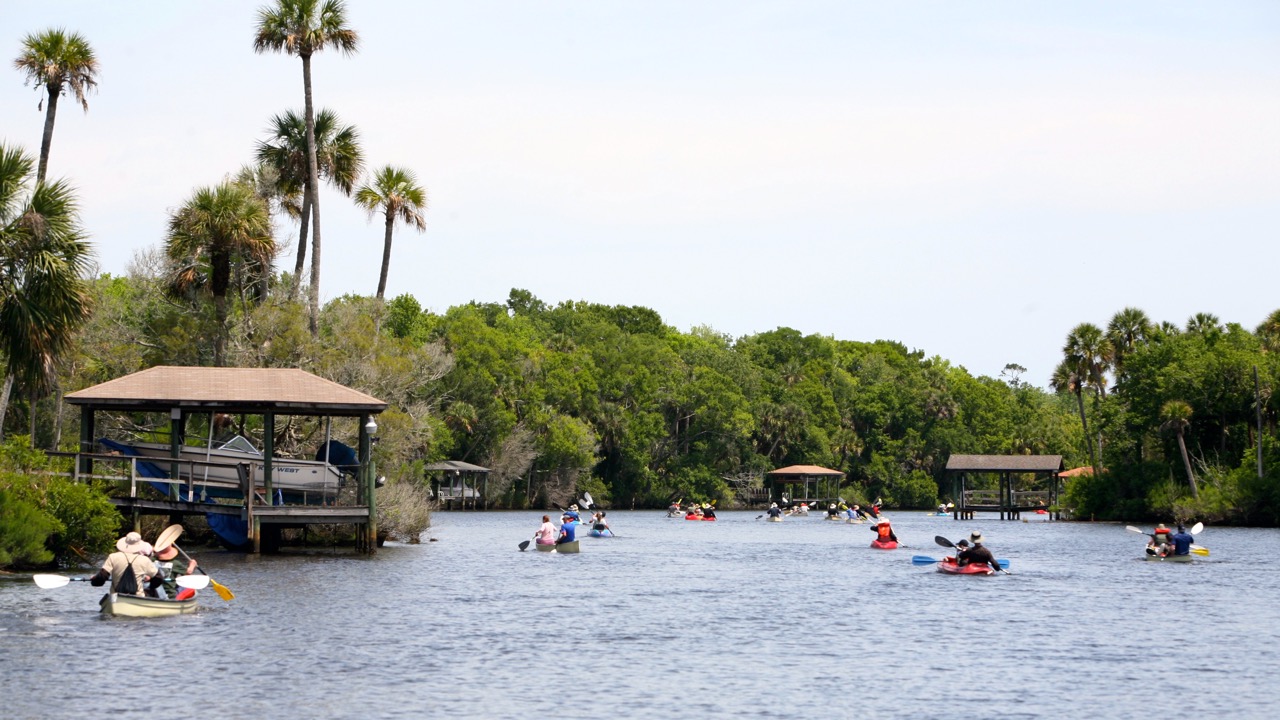
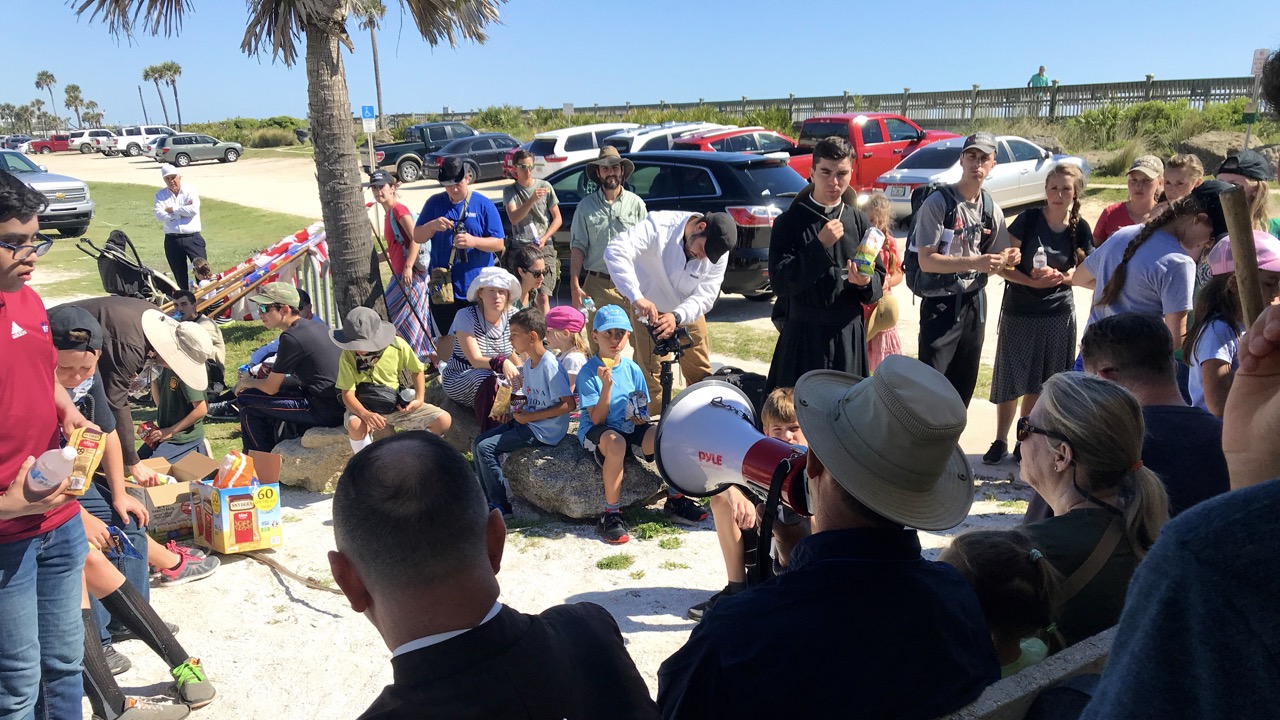
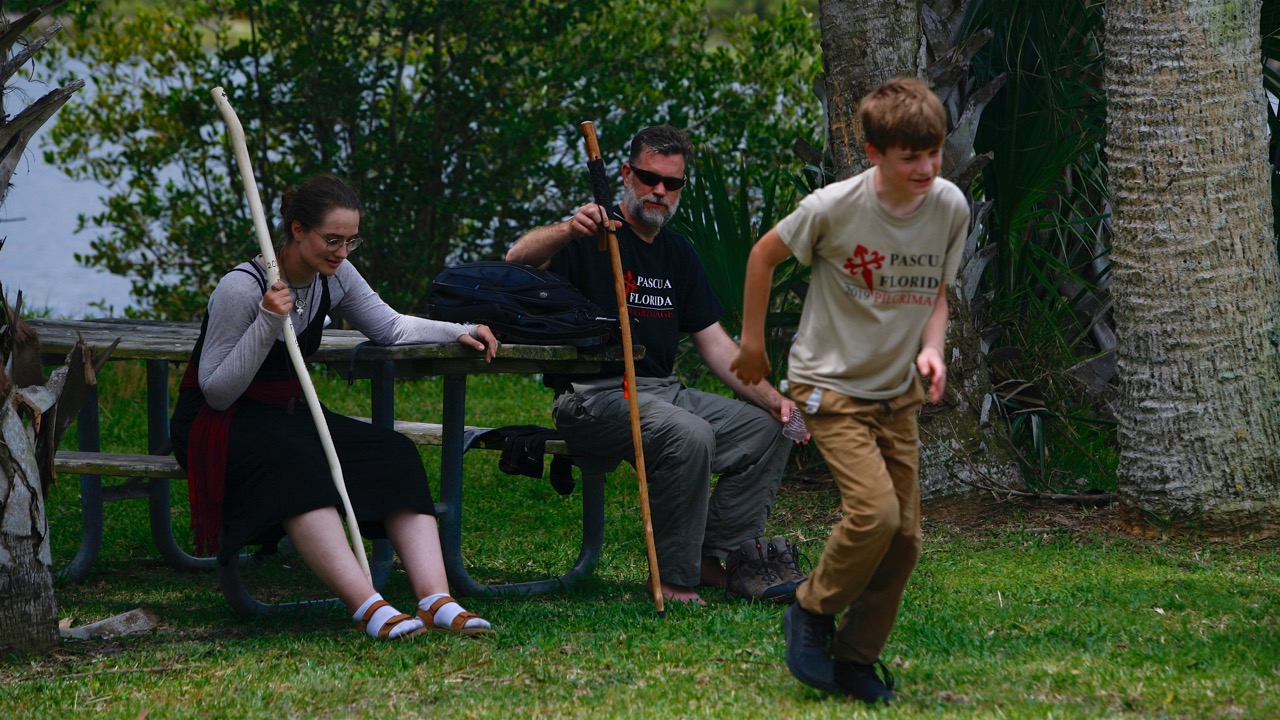
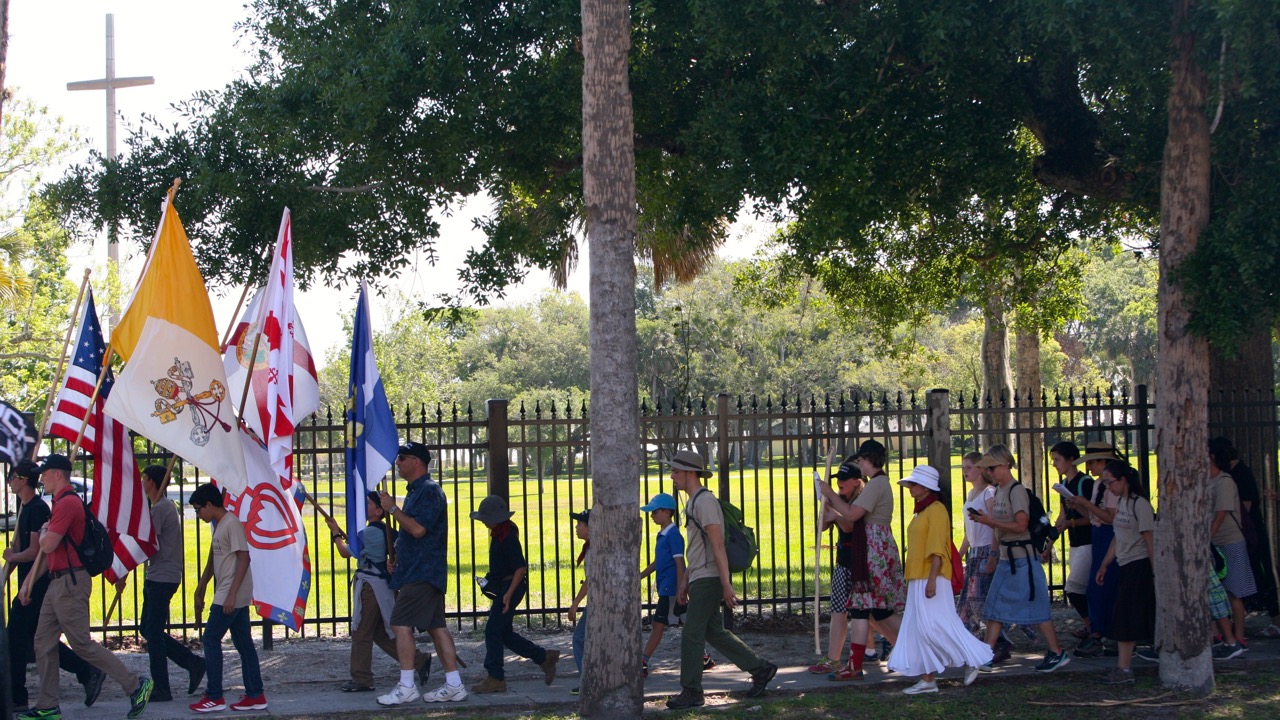
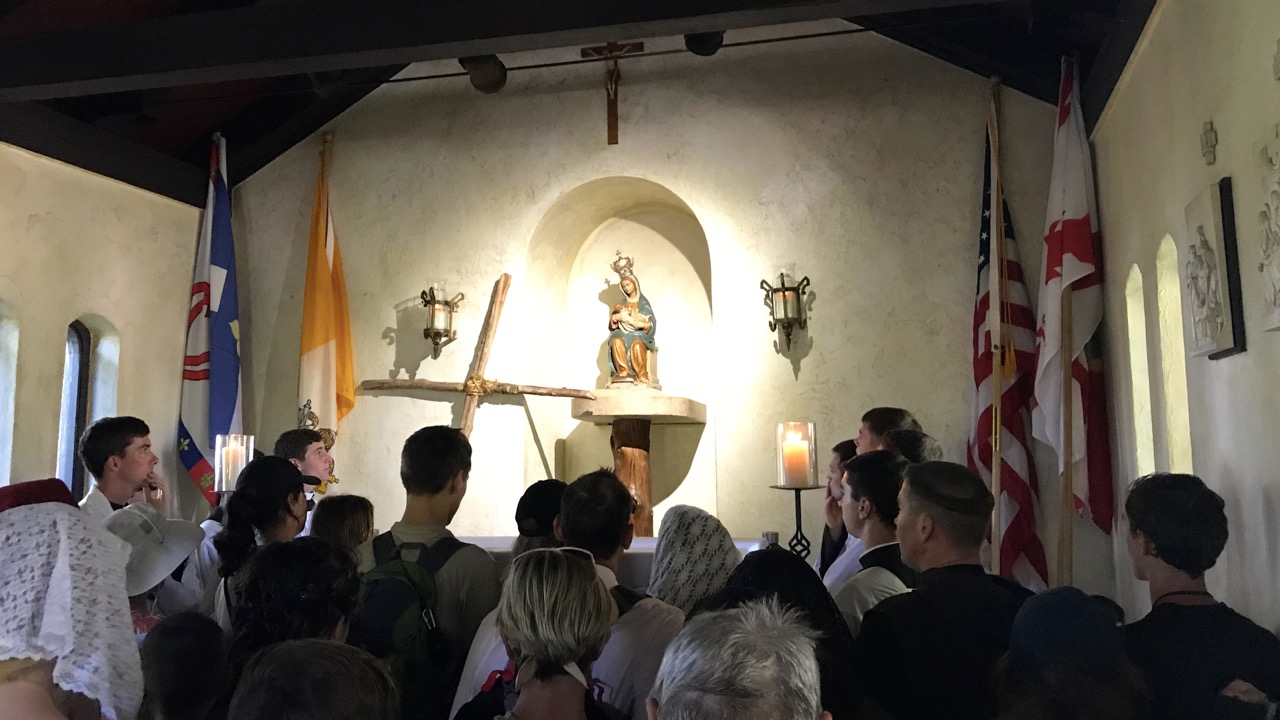
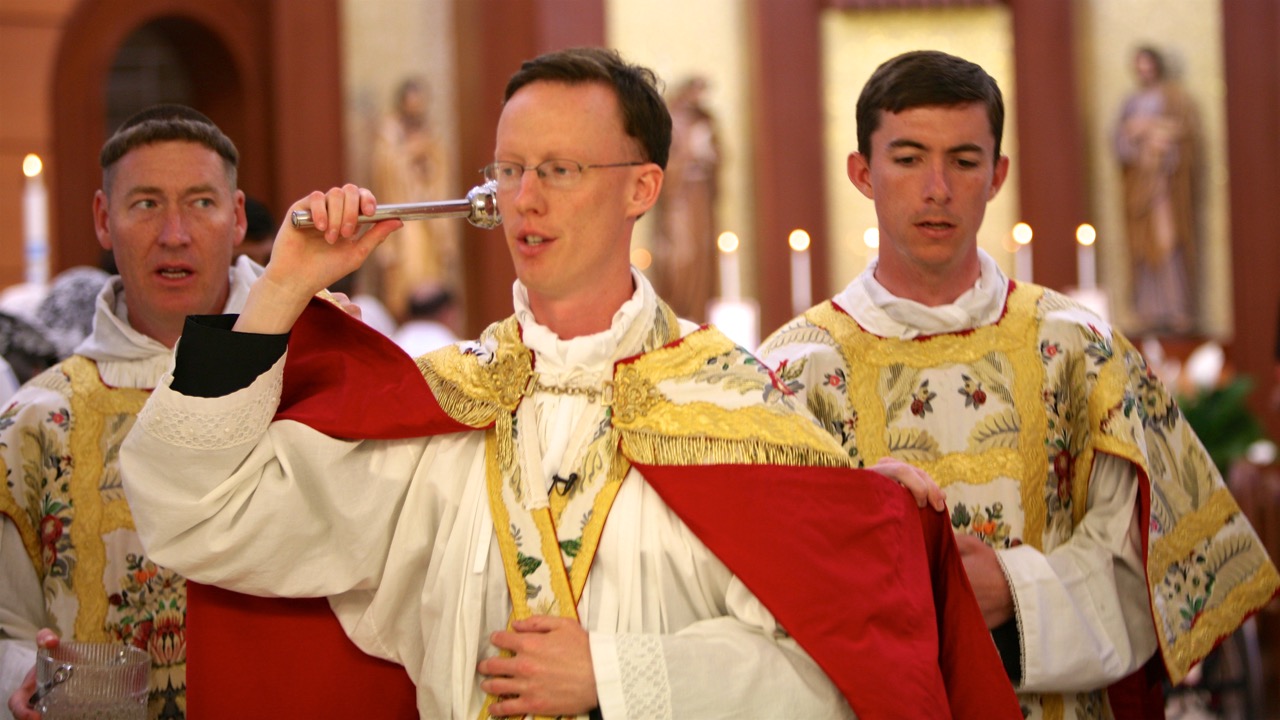
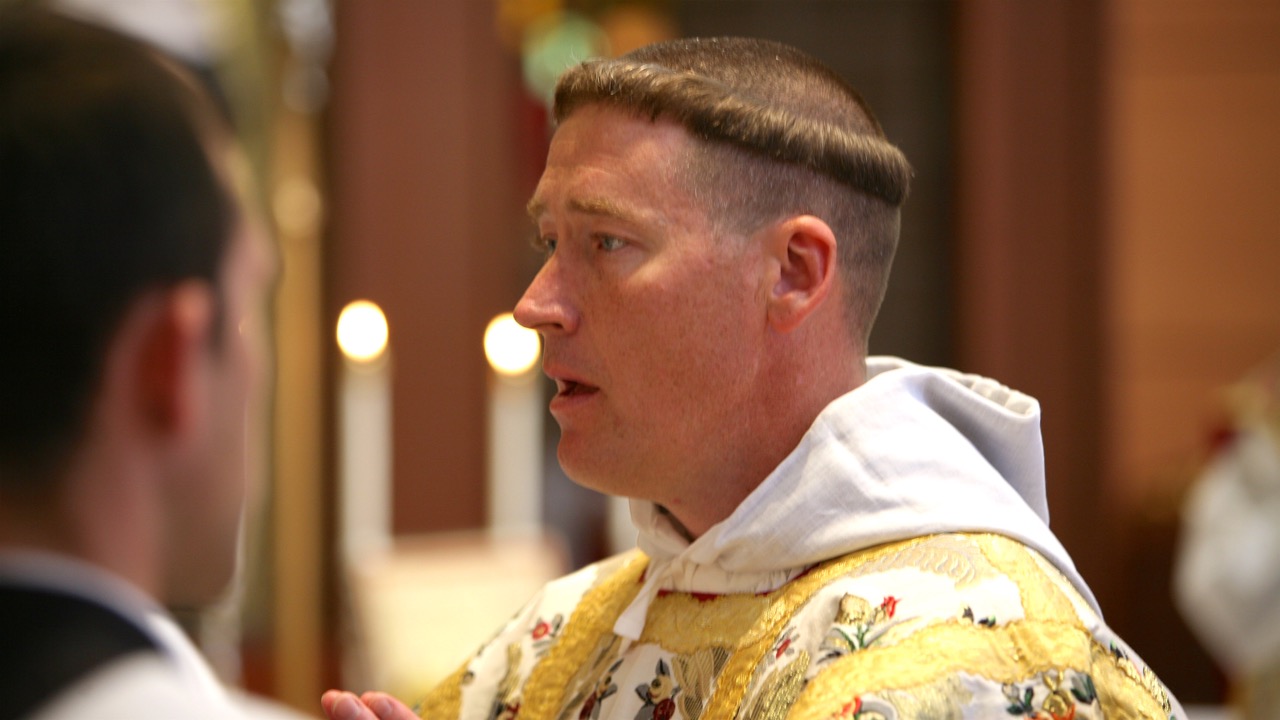
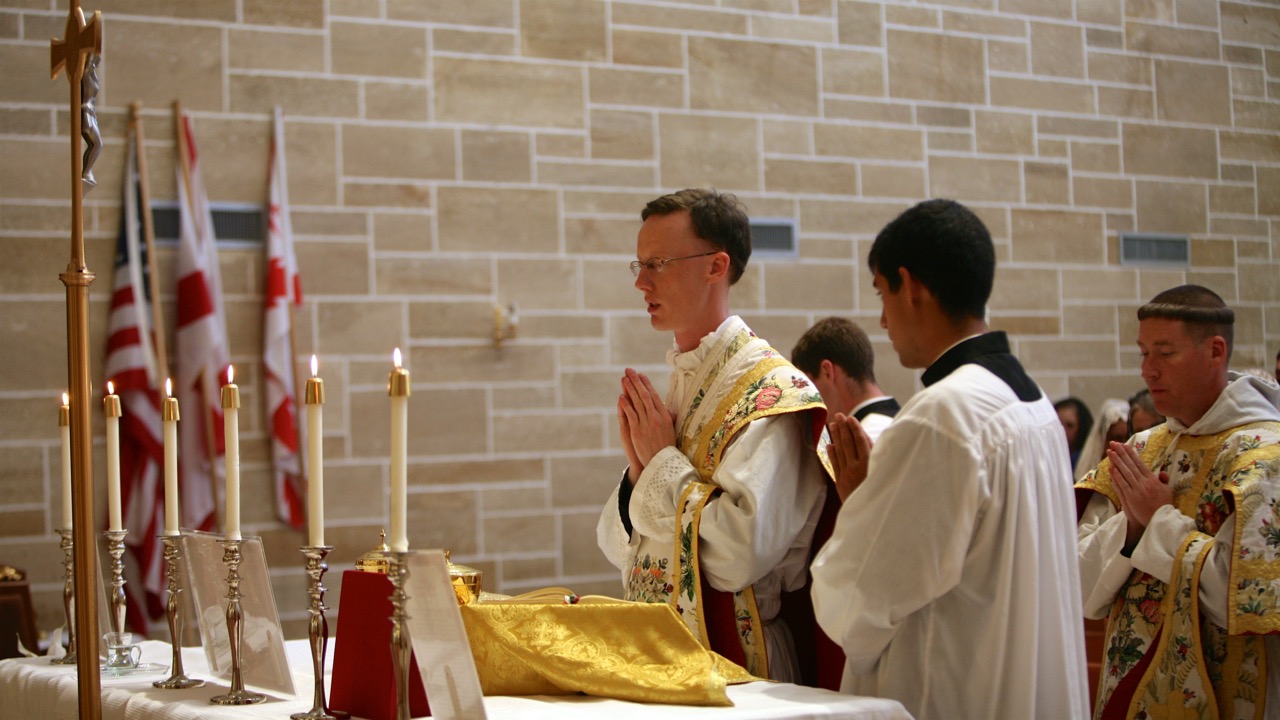
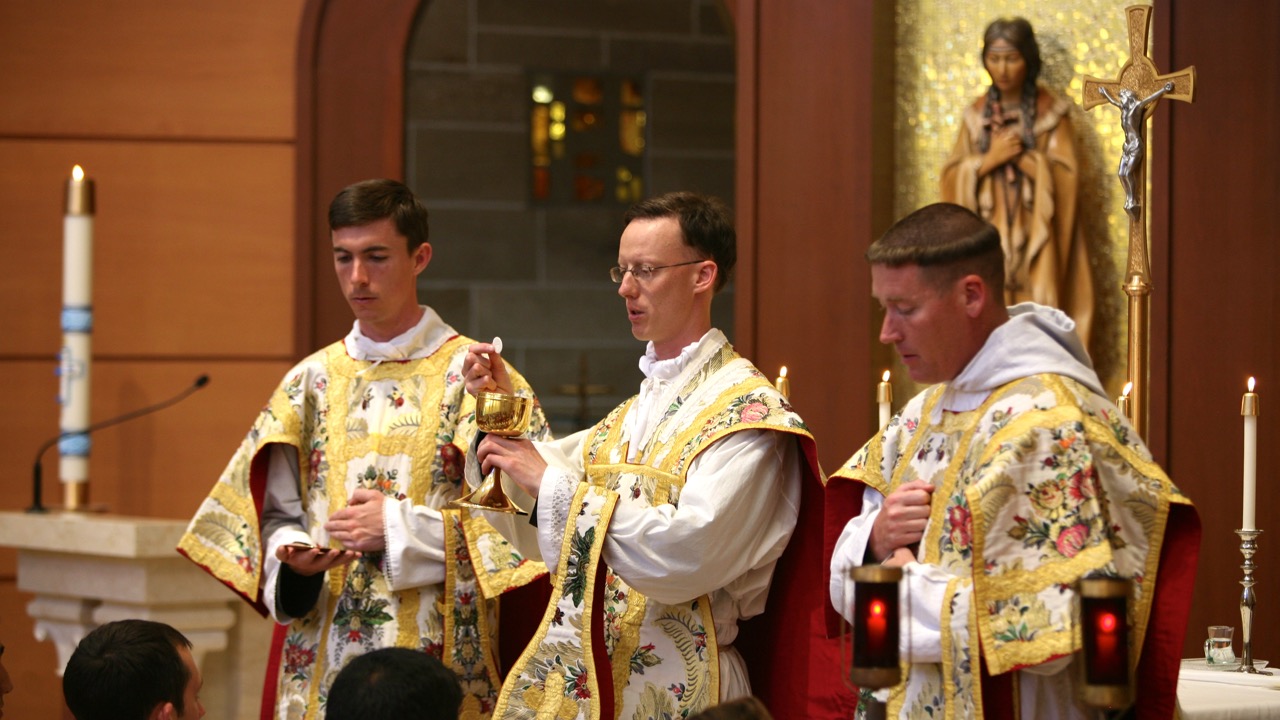
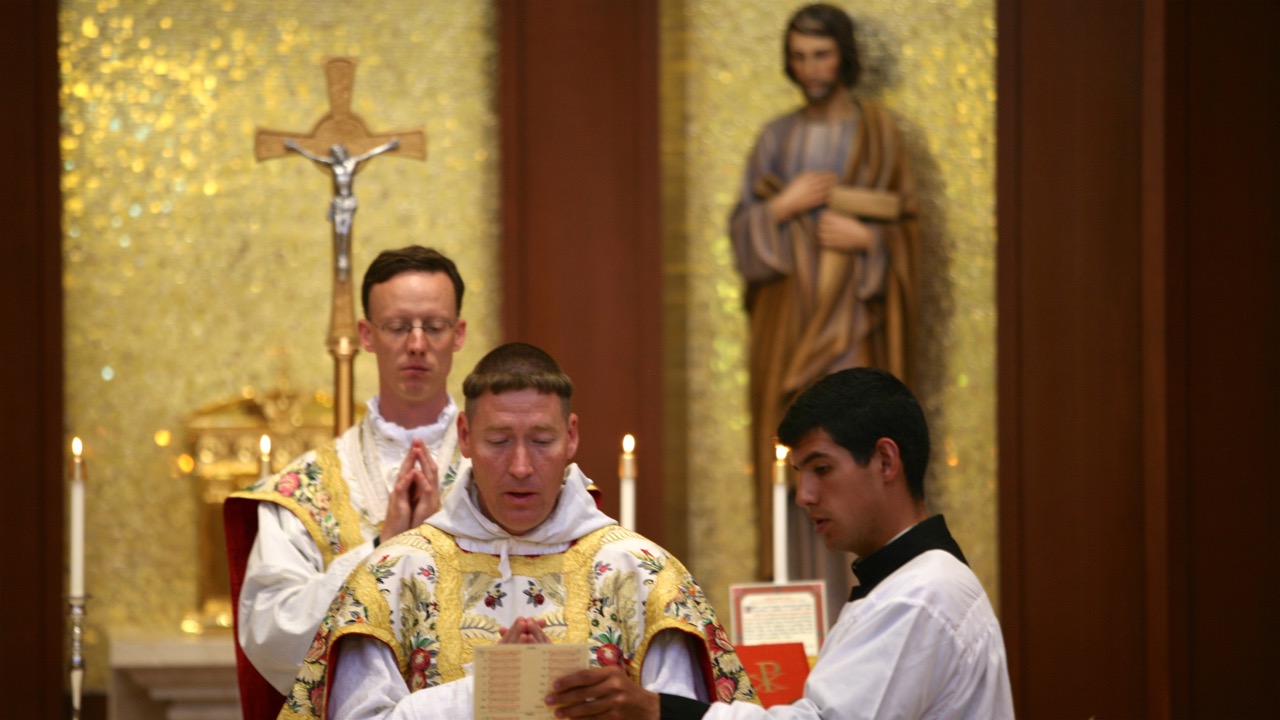
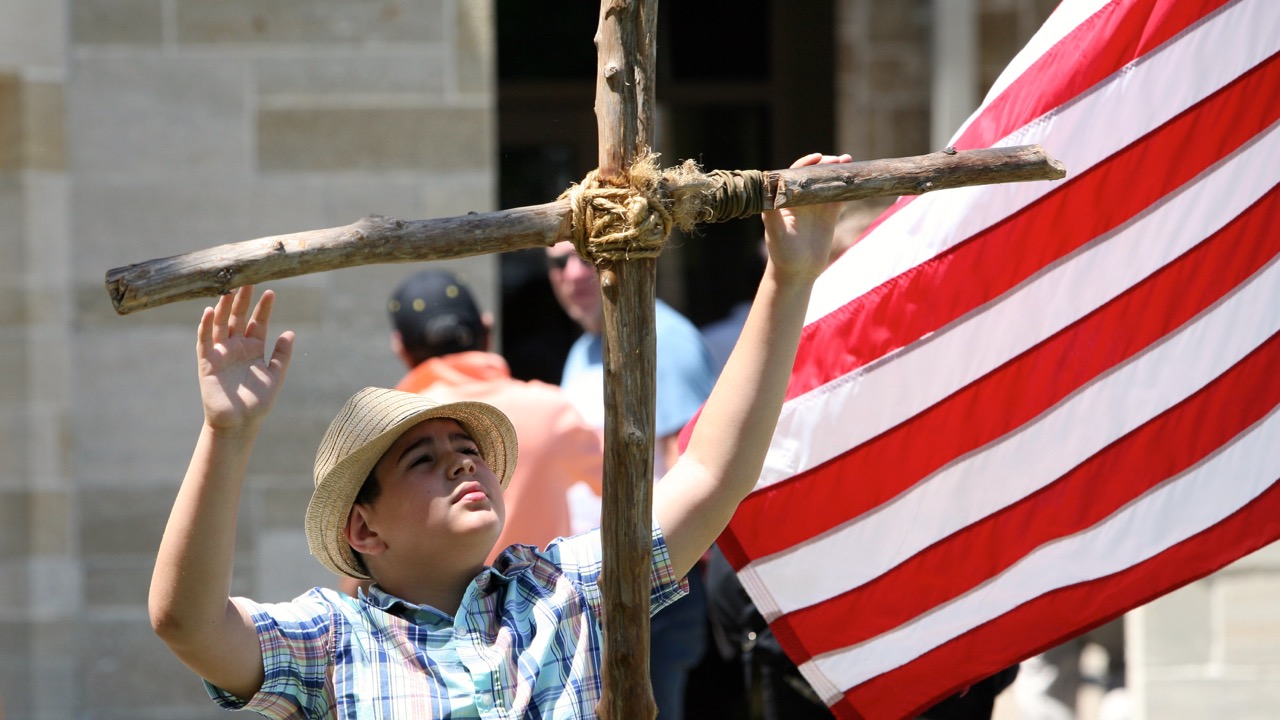
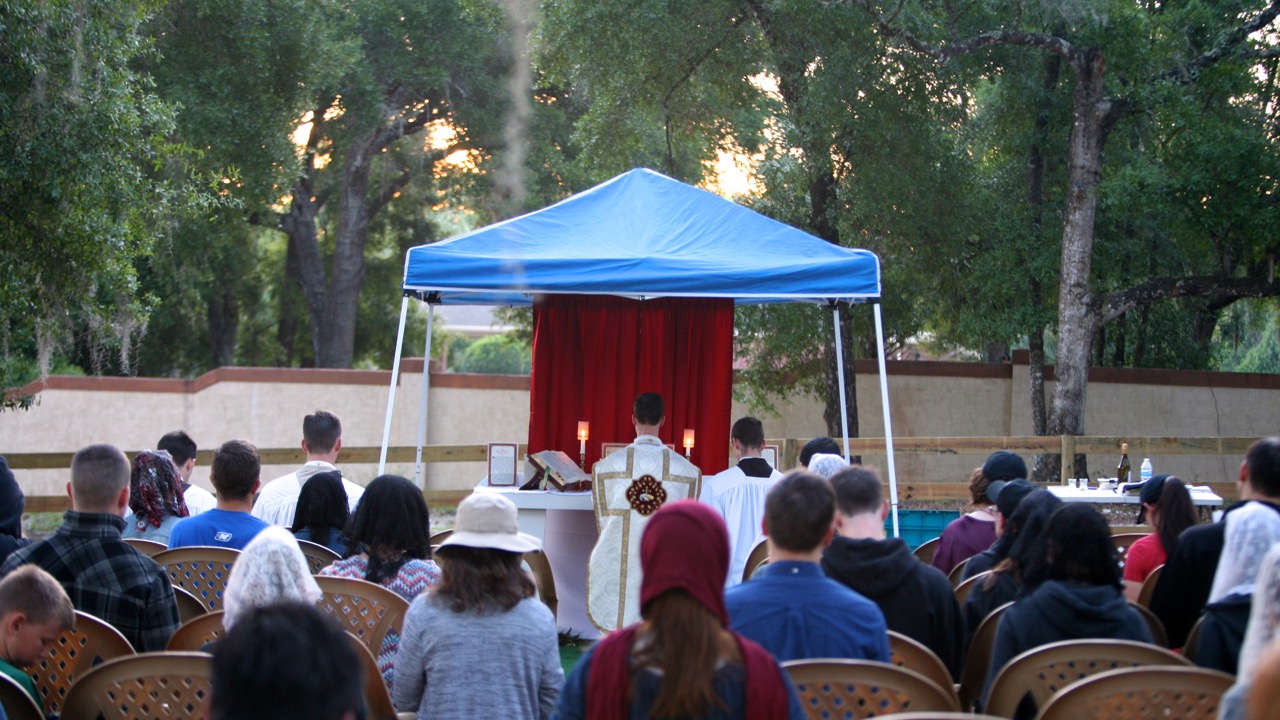
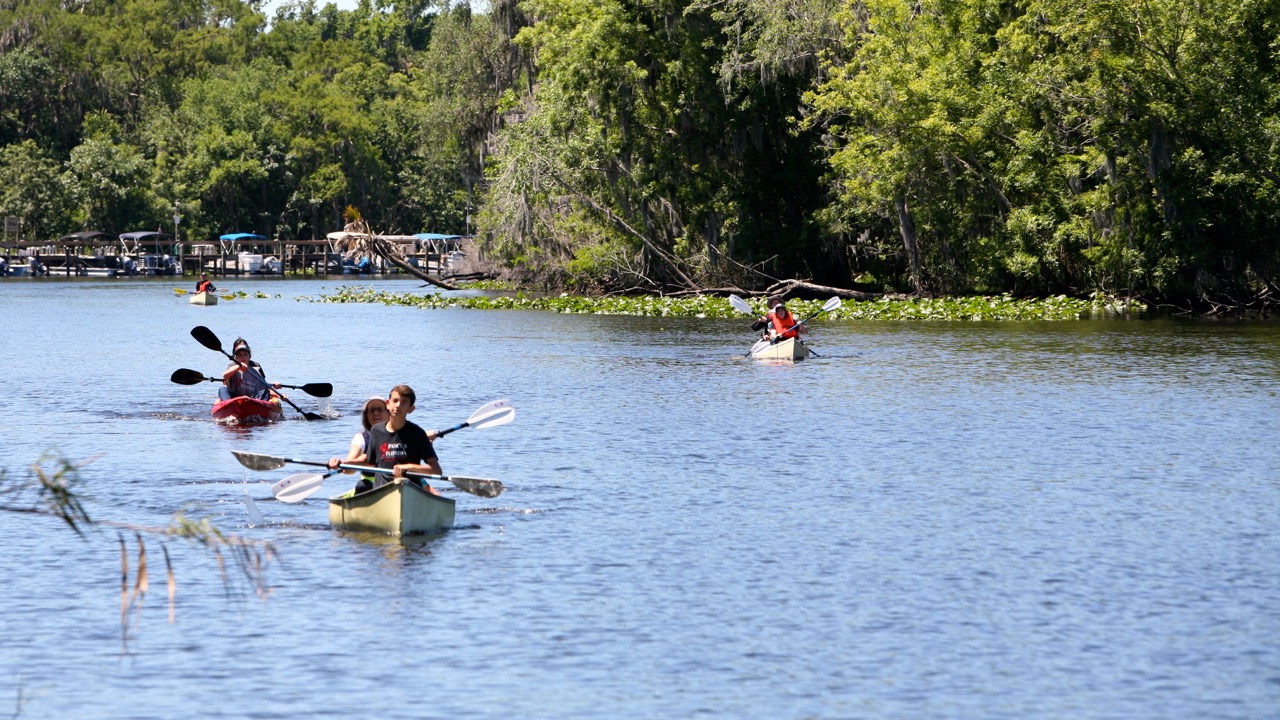
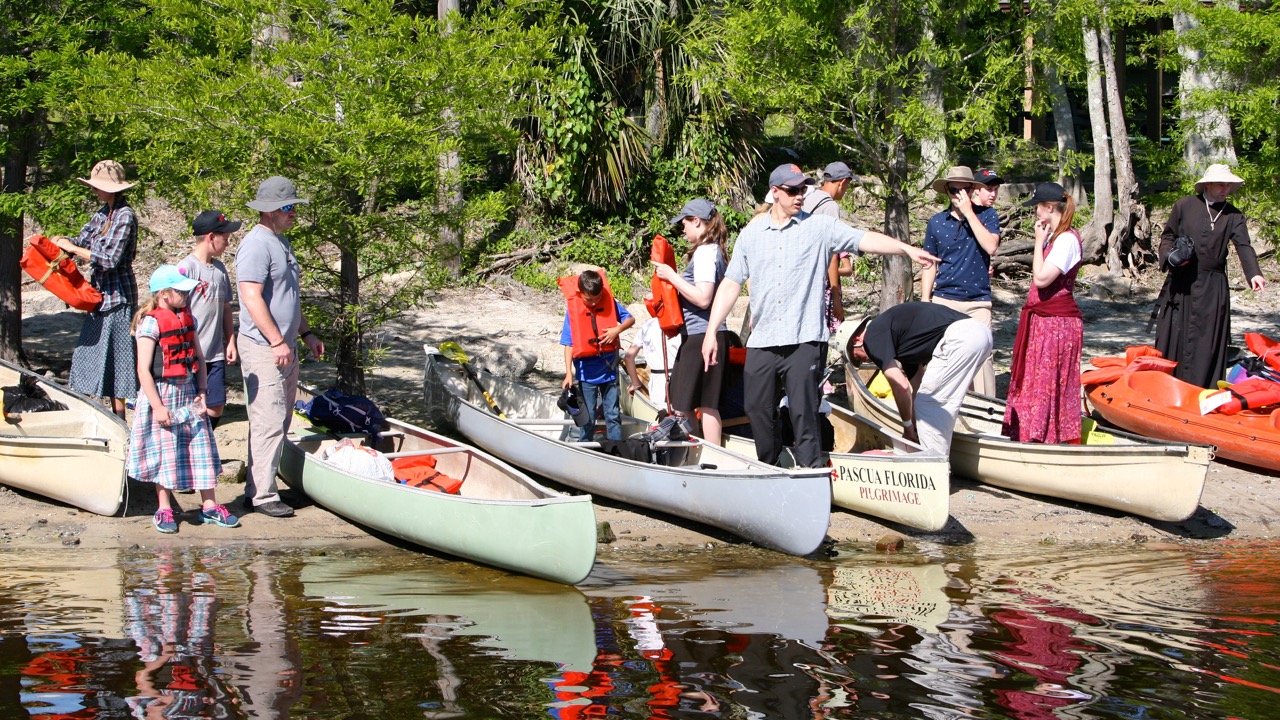
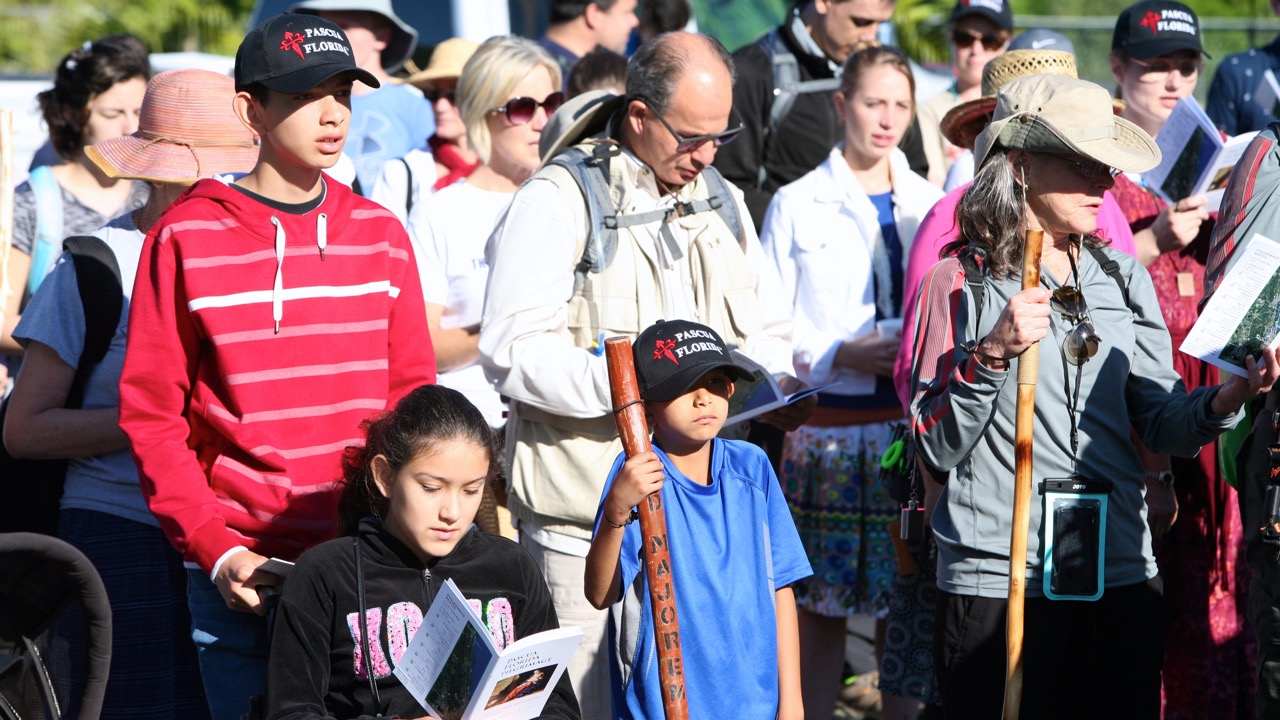
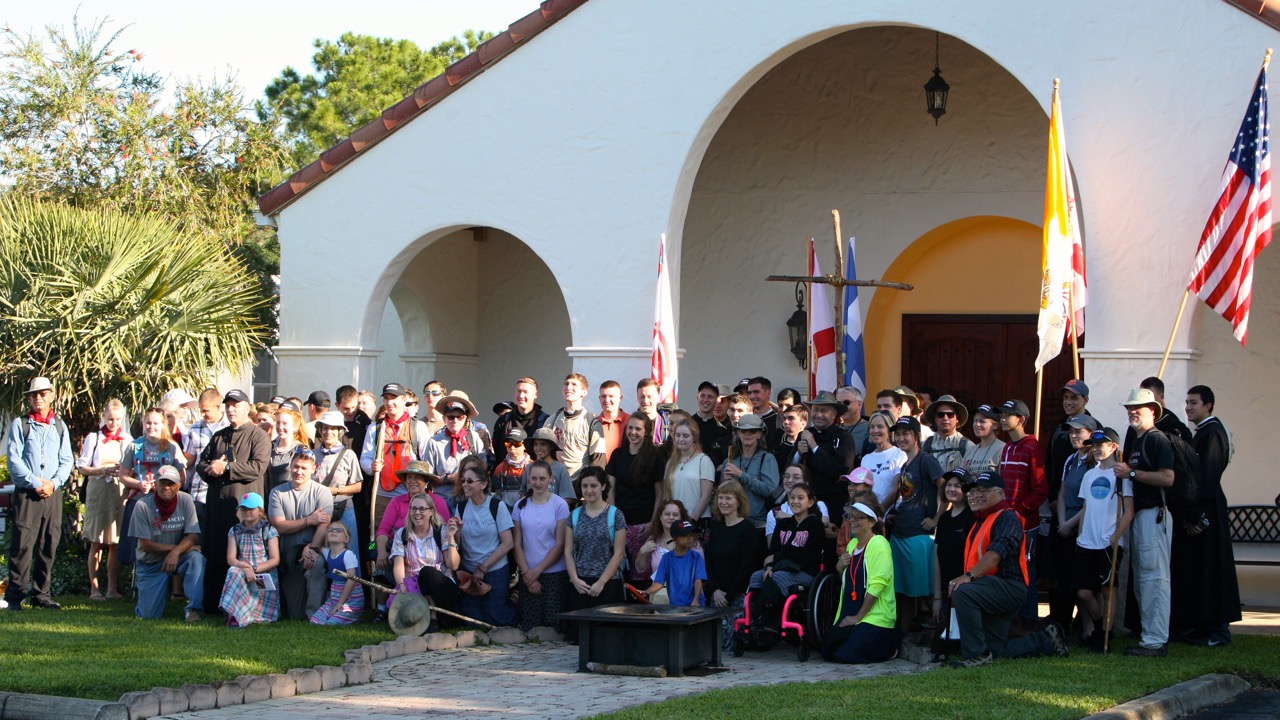
For Easter Week of 2019 over 100 Catholics set out on foot from St. Thomas More Church in Sanford, FL to the shrine of Nombre de Dios in St. Augustine over 100 miles to the north. For six days the pilgrims walked and canoed their way to St. Augustine and the home of the statue of Our Lady of La Leche. The journey culminated with solemn High Mass sung at the shrine’s main church, where the number of pilgrims had grown to over 300 souls.
Pascua Florida Pilgrimage 2019
Catholics have long walked on pilgrimages and made similar public acts of worship in processions and marches. The annual journey of the Holy Family from Nazareth to the Jerusalem Temple is one examples; others include the processions with the Ark of the Covenant (2 Samuel 6; 1 Kings 8) and the triumphant entry of Our Lord into Jerusalem. Pilgrimages are made as penitential acts and to implore Divine aid against all kinds of calamities – for example, war, plague, famine, storms, drought. As a public witness of a pilgrimage serves as a great reminder that - all the efforts of the popular culture and media to suggest the contrary - we are not alone or isolated in attempting to cure a great evil.
St. Augustine and Nombre de Dios
In April of 1513, Juan Ponce de Leon planted the first cross in the sand near modern-day St. Augustine. On September 8, 1565 – half a century before the New England pilgrims set foot on Plymouth Rock – Pedro Menendez de Aviles founded the town of St. Augustine and Nombre de Dios mission. On the same date, Fr. Francisco Lopez de Mendoza Grajales held high the cross and celebrated the first Mass.
With the founding of Nombre de Dios, an extensive missionary effort was initiated throughout Spanish La Florida. Two hundred years before the first Spanish mission in California, Nombre de Dios and over 140 missions stretched from St. Augustine south to the Florida Keys, north to the Chesapeake Bay, and west to Pensacola. The Spanish settlers established the first shrine to the Blessed Virgin Mary in this land under the title Nuestra Señora de la Leche y Buen Parto – “Our Lady of the Milk and Happy Delivery.” The chapel and beautiful statue are dedicated to motherhood.
Words of the Pilgrims
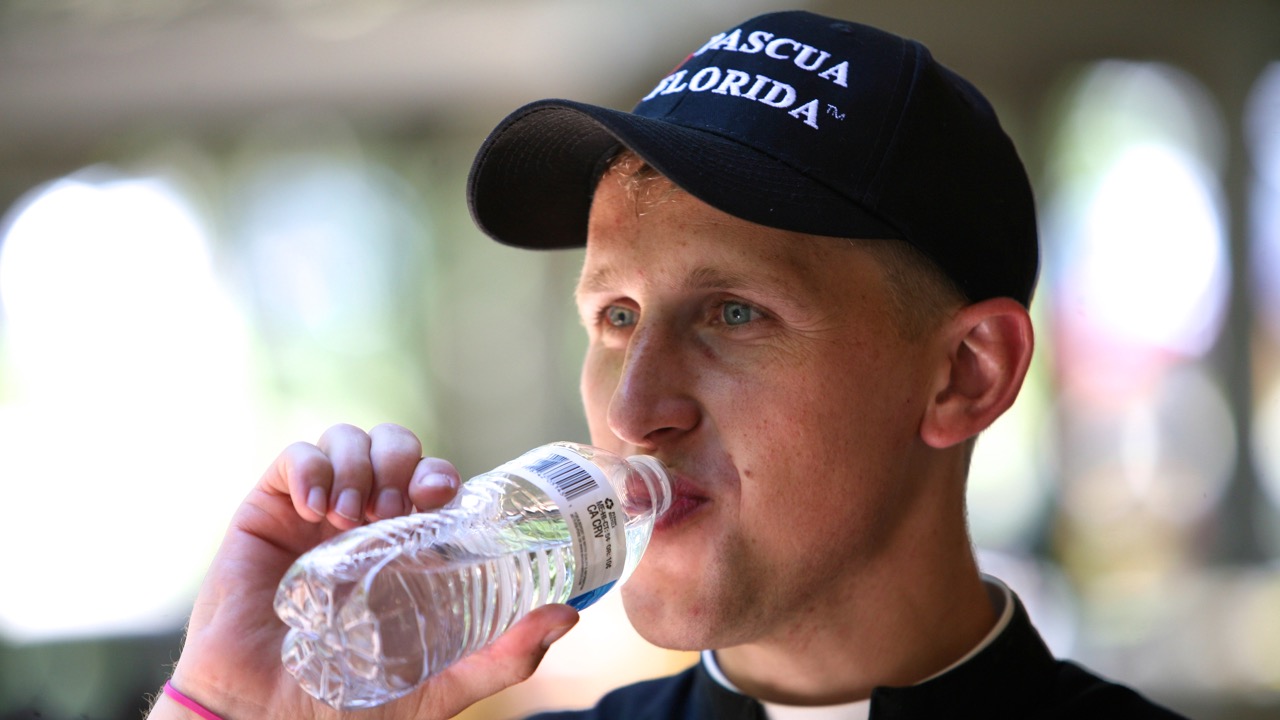
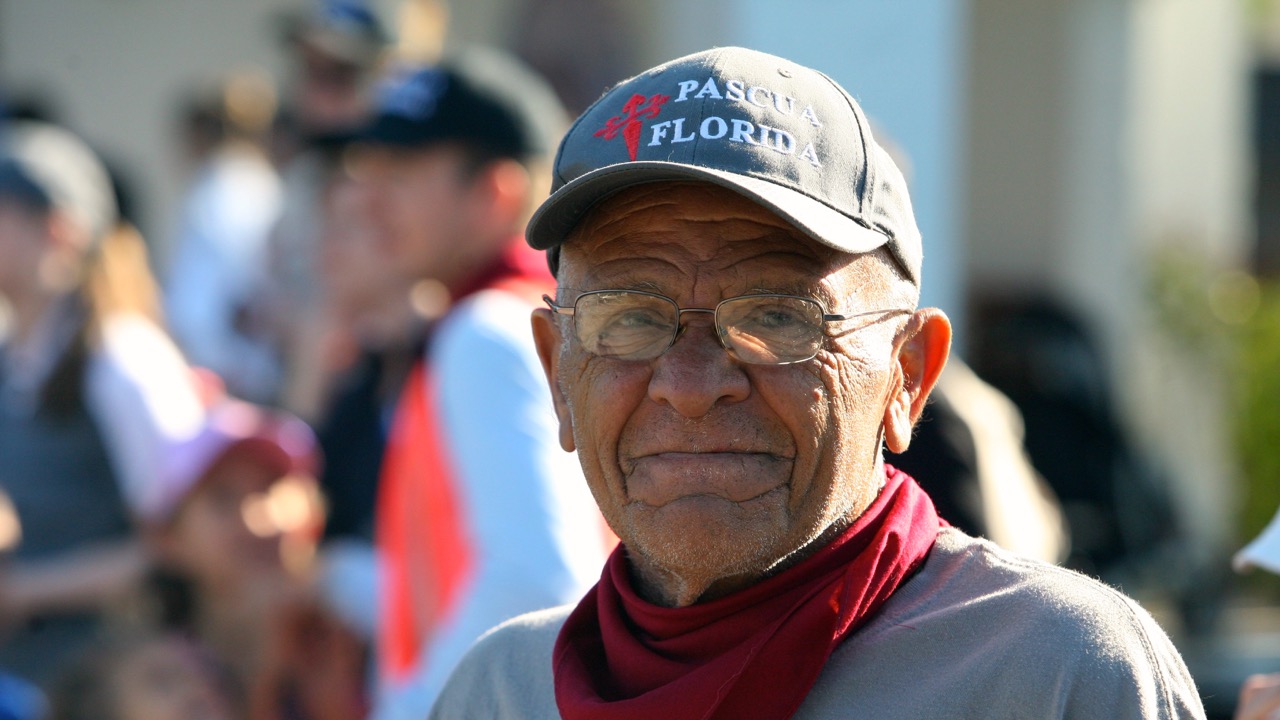
Fr. Elias, OSB, is visiting from the monastery of Our Lady of Guadalupe in Silver City, NM.
I found that the pilgrimage is one of the most intense pilgrimages in America, where the very first place Mass was said in this country. Because of that, it bonds us with others – as any pilgrimage or cross or trial that is shared with others will. It gives us a better understanding of the Mystical Body of Christ, and the Church Militant. It was a more intense pilgrimage than I expected, in the sense of the duration. You’re together with others longer, you’re spending more time with other Catholics, creating greater friendships. I would like to bring some of the Brothers from the Monastery on this pilgrimage. It would be great for the faithful to see that and speak with the Brothers.
For Vida and her husband of Miami, this was their first pilgrimage with the SSPX.
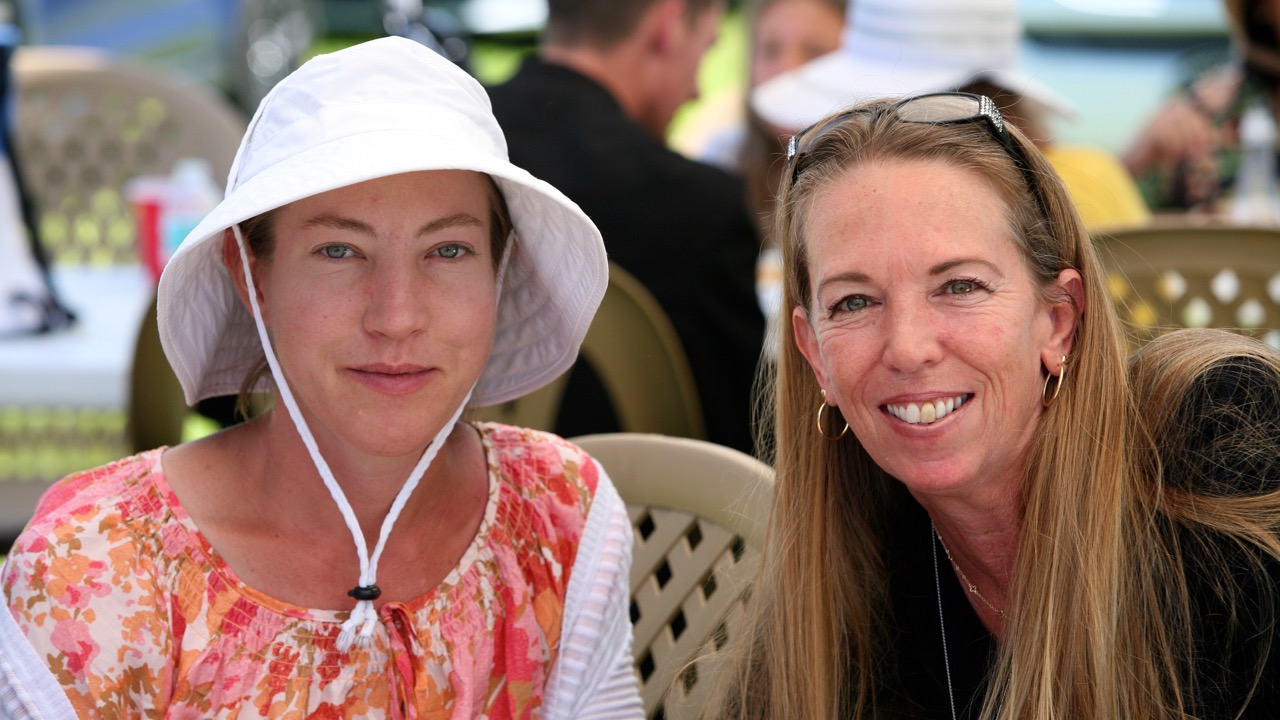
My husband and I like to travel a lot, and we like to go on pilgrimage. We only recently started going to the Society parish in Miami. We heard about the Mass last year, and this year we saw the pamphlets and thought the itinerary made it look like the perfect thing for us to do. We also have been married four years and have not had children yet, and so we had this dual purpose of wanting to do something adventurous and penitential, and to pray for a couple of important intentions. The pilgrimage has exceeded my expectations. There’s nothing that beats priests who have a good formation. I’ve been blown away by my first Confession just a few months back with a Society priest, and then now meeting so many of them – they’re just so solid, you can trust what they say. There’s a time for prayer, and there’s a time for joy and leisure, and they do them both well. You get up in the morning, and there’s Mass outside, and it’s beautiful. Confession is always available – and it’s in the jungle with palm trees all around you. It’s also well-organized, and the food is great, with grace at each meal. And the campfires – that’s something I didn’t grow up with because I’m Persian - it’s good practice for me for the future when we do have children. Then after the campfire singing, we sing Compline. Everyone sings so well! I think we’ll definitely go on this again, and we’ll definitely do other Society pilgrimages – like the Quito pilgrimage, and the one to Mexico.
Monica is from Australia, and she providentially was in the area at the time of the pilgrimage while she was road-tripping across America.
I’ve been on quite a few pilgrimages before. This is the longest one I’ve been on. It was harder than I thought. The food and the service have been better than I expected, and better than any other pilgrimage I’ve ever been on. It’s run by a French priest, so of course there’s plenty of good wine! It’s a great chance to bond with the other pilgrims. I didn’t know about the rich history of St. Augustine until I came on this pilgrimage, with the first Mass and all the martyrs. You’ll never regret doing a pilgrimage – I’ve been on a number of pilgrimages, and I’m a better person for it.
Bill from Sanford is a Pascua Florida veteran.
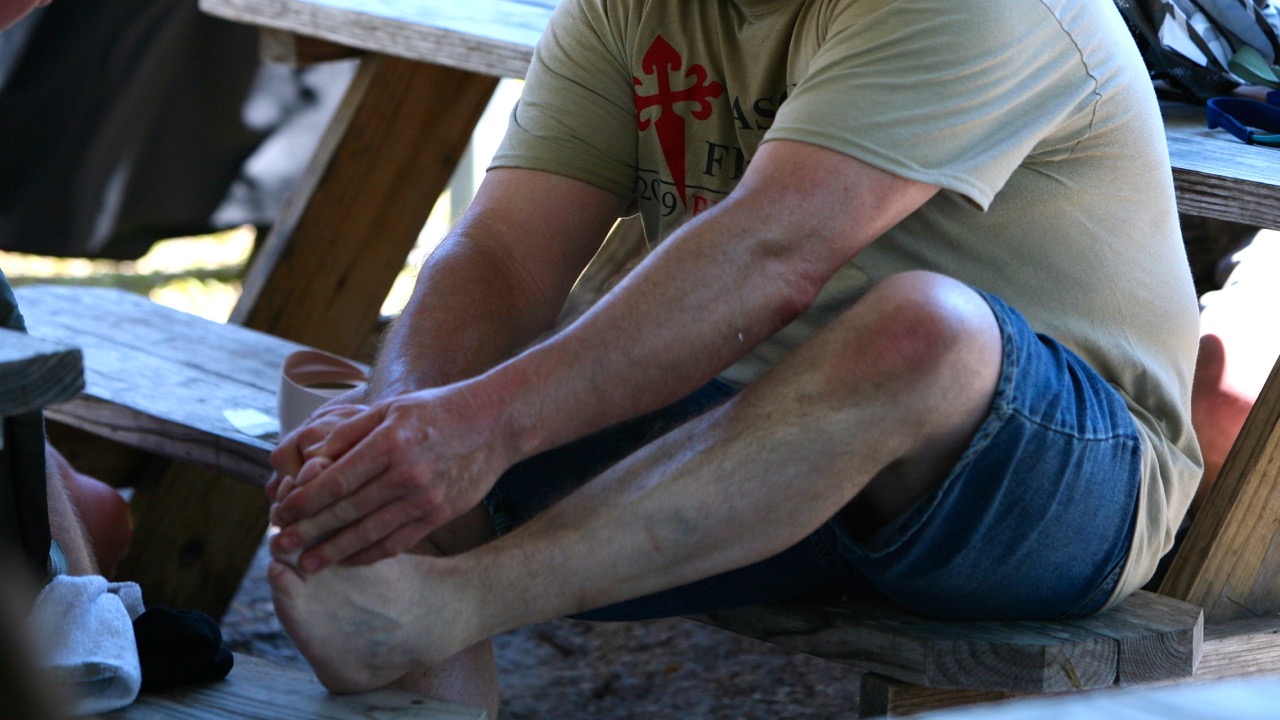
A pilgrimage is great because it gives you a chance to reflect on your life, and on the Catholic Church. A long pilgrimage like this has many challenges, and a lot of camaraderie. Last year I coordinated the pilgrimage, and that’s a lot of work; this is my first year putting my feet to the concrete for the glory of God. It’s an important lesson to learn the value of pushing through the suffering. This is an every-year thing for me. God gives us many graces on these pilgrimages.
Fr. Marc Vernoy is the pastor of St. Thomas More chapel who started the Pascua Florida pilgrimage six years ago.
A pilgrimage is an opening, an opportunity. The very day of the very first pilgrimage in 2013, Fr. Pagliarani was here. Compared to the first pilgrimage in 2013, we are very happy. It is growing, but it is not growing at a crazy pace, because that would be difficult to organize. I would like the pilgrimage to stay a reasonable size. I think we are working better today on the spiritual side. By that I mean you need to have a family spirit, a time of silence and recollection, you need some guidance that is not too strong. But we also need a festive time, because right now it’s Easter. A pilgrimage is a practical way of understanding the spiritual life, which is a journey to reach Heaven.
Here we are on our way to the most sacred place in North America – the site of the first Mass, the first Marian shrine, and many, many graces received there. I don’t know of any place in the country where you have so many graces in a Marian shrine. There is a lot of infertility today, and many pilgrims have come to this shrine to have children. This pilgrimage helps them to open their hearts and their souls to God, to have more confidence. Even in the Sanford parish, we have several cases of La Leche babies. We have this pilgrimage to go to the root of your faith in America. We have documentation of everything that happened, from Ponce De Leon in 1513 and after. This is a great treasure that most people don’t know about. The first written document in North America is the baptismal and sacramental records in St. Augustine. I think it’s extremely important, and most Americans don’t know their history – especially the Catholic history. We will do this pilgrimage every year from now on because we have a good team. I could disappear, and we could keep going on because of the good team. I’m just optional here now.
For many Americans, it is a surprise to learn that we can have a time of no electricity, no running water, no cell phone connection. We need that! Especially today. The pilgrimage puts you in a place of poverty – it makes you simple in the view of God. And you have a direct contact with God. God loves the poor. It is like when you go to Santiago in Spain: you are blessed, because when you learn not to be so secure in yourself, people around you will look at you and help you, they take care of you, they feed you, they shelter you. This is a real experience. And we have that here.
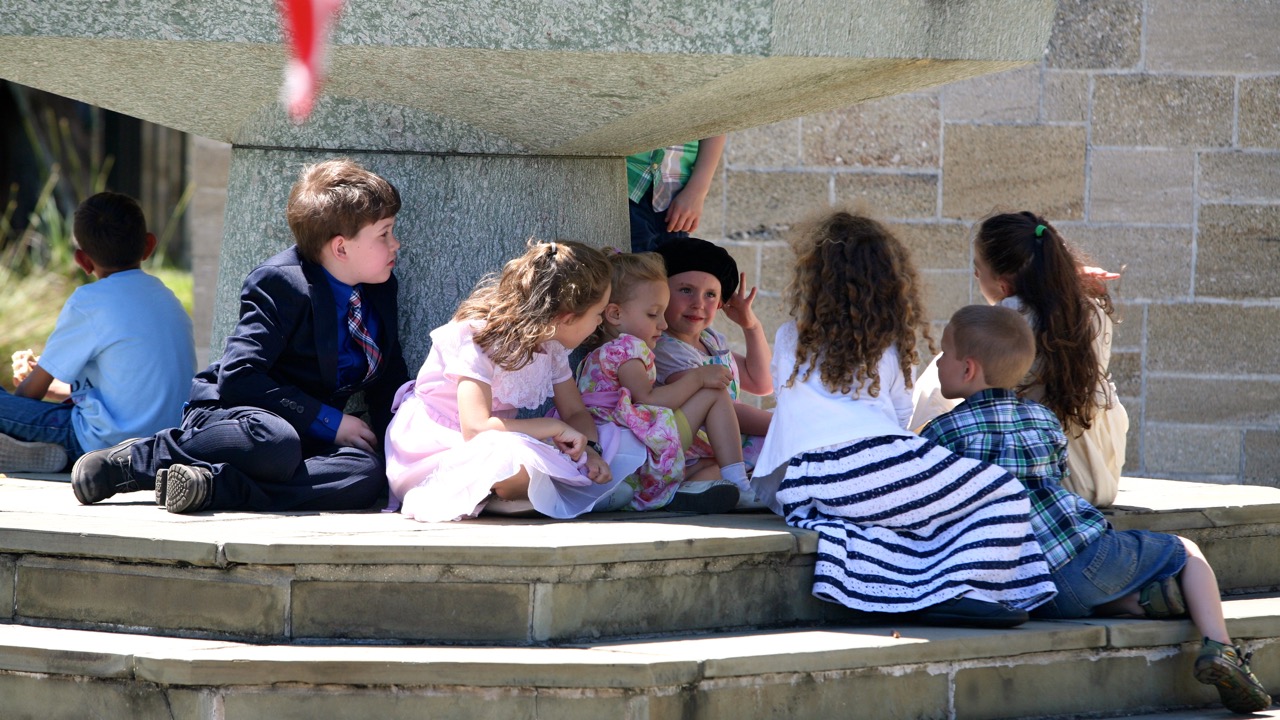
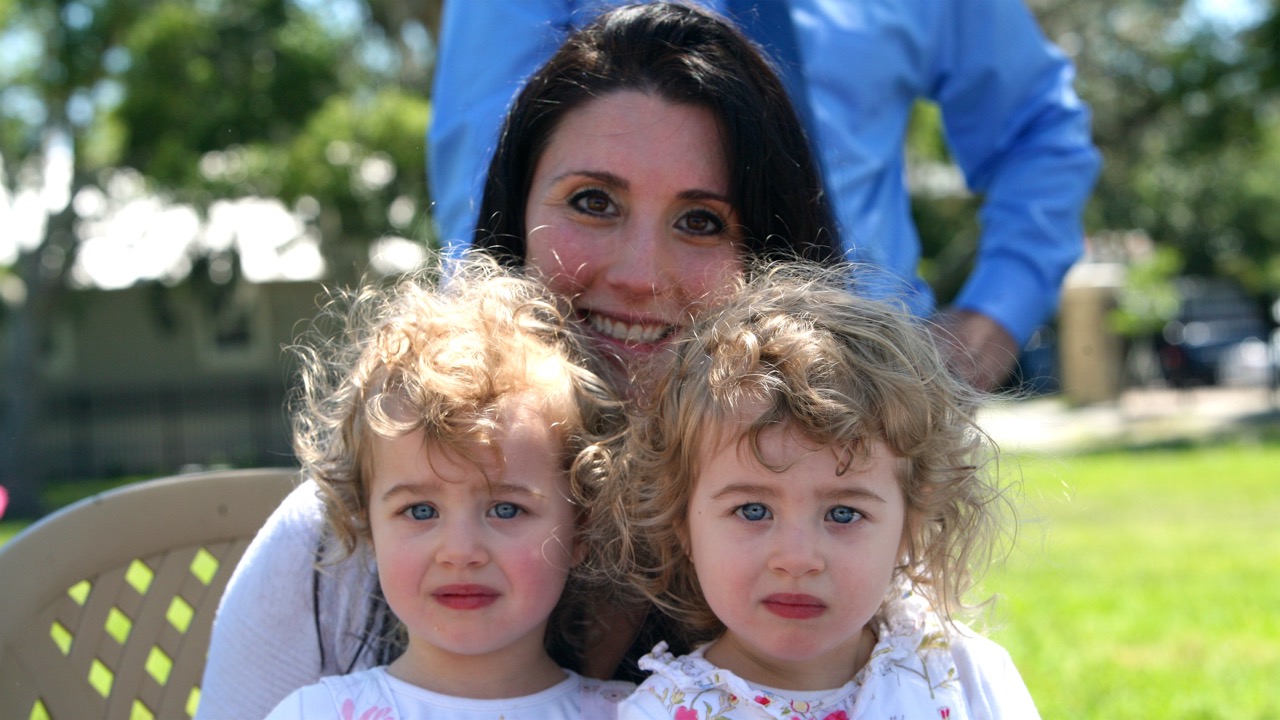
We have beautiful experiences where people saw us on our way, and they went to the store to buy packs of water, and they found us again and they gave us the water. Today there was a father with his two daughters who gave us water. We have also been to gas stations where they just gave us water and food just for the pilgrimage. It is a very good sign. We make people in these towns happy. Just seeing us as we walk makes them happy. Because they see beautiful young, happy people walking their way with their flags. It is very touching.


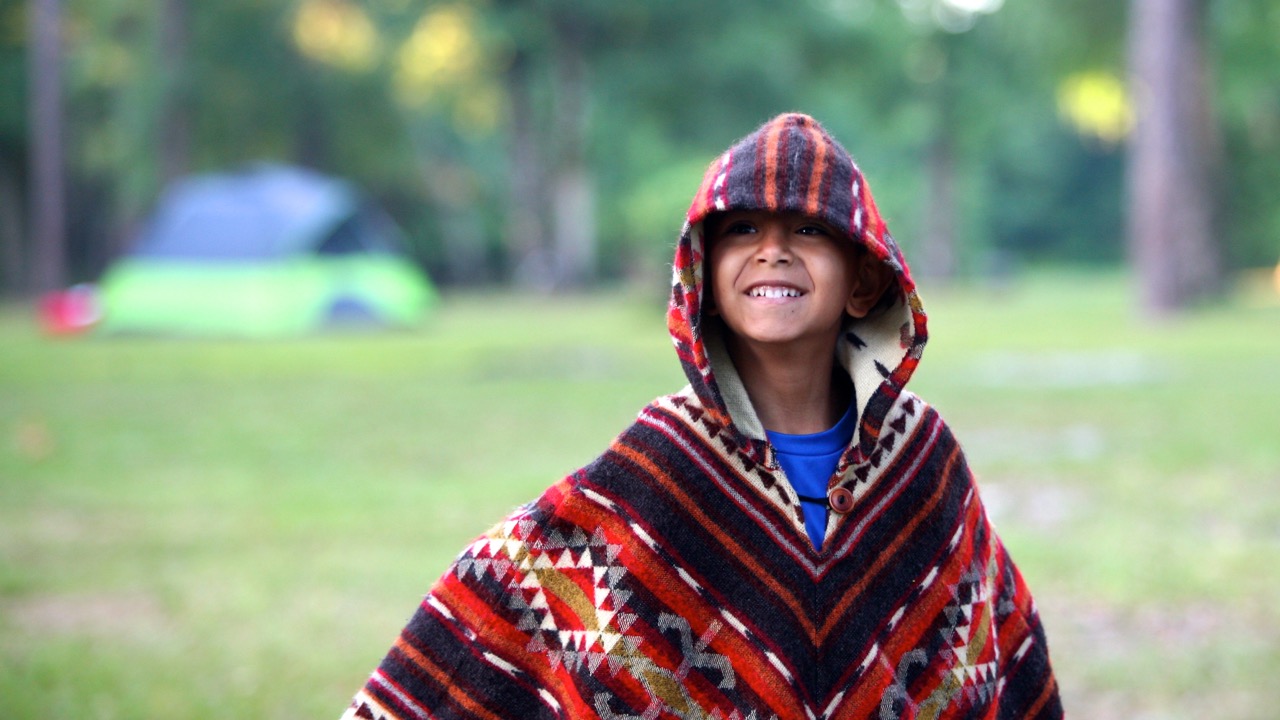



















The History and Spiritual Reasons for Pilgrimages
Fr. Elias offered a few reflections on the history and reasons for a pilgrimage.
A pilgrimage begins primarily in the will. It is spiritual in the sense of becoming something else – it is a transformation in your soul. To consider the history of pilgrimage, consider Adam who walked with God. We don’t hear of him walking to God, we hear of him walking with God. But then he fell. Immediately after he falls, God promised him a redeemer. This is our Lord Jesus Christ, who tells us when He comes to the world, “I am the Way.” Thus, in some way we must travel, we must make a movement. We also call our Lord Jesus Christ a bridge – the Great Bridge to the Father. A way, a bridge, a link that is re-establishing what was lost by Adam’s sins. It begins primarily in the conversion or transformation of the soul.
Let’s face it, we could walk for many miles and not be converted in our soul. An example is the Israelites in the desert: Moses and the Israelites spent 40 years in the desert. Not because it took 40 years to get from a specific place in Egypt to the Promised Land, but because their hearts were not converted. They weren’t converted to God – they had not made that change in their hearts. Until their stiff necks were turned, God had them go around in circles, until they were finally able to cross over.
Then there’s Abraham: God calls him out of his homeland to a new life – he has to leave everything. We are all making a pilgrimage by way of a constant conversion – by leaving aside our own will to do the will of God. So, when we go on these pilgrimages like this one, we’re on a physical pilgrimage to the shrine of Our Lady in St. Augustine. But we wouldn’t be doing anything if we didn’t have that conversion in our heart. If we didn’t start out with that constant day-by-day conversion. All the penances, then, are an aid to help us conquer our will. They steady us make us more willing to hear the direction of God, because there is time for reflection and contemplation.
When you’re walking along and you’re suffering, you have to ask yourself, “Why am I doing this?” Hopefully you come back and say, “I’m doing this because I want to convert – I want to change my life. I want to become holier, to avoid a vice.” People want to be able to win the graces God has for them and for others. The Holy Family gives us a great example of pilgrimages: every year they would go to the Temple in Jerusalem.
At the monastery in Silver City we receive almost one or two people every day, who make their own pilgrimage there. They come to initiate something, to try to reach out and to start that conversion to move closer to God. The monastery provides them a place, a haven of peace and stability. It is part of our apostolate: to receive pilgrims.


